จดหมายข่าวฉบับที่ 15 เดือนกรกฏาคม - กันยายน 2569
|
|
|---|
|
|
เรื่องน่าสนใจประจำฉบับ
- การประชุมชุมชนผู้ปฏิบัติงานด้านการเลี้ยงดูเด็กเชิงบวกในประเทศไทย ครั้งที่ 2: "สร้างระบบสนับสนุนการเลี้ยงดูเด็กเชิงบวกของประเทศไทย จากหลักฐานเชิงประจักษ์สู่นโยบายและการปฏิบัติระดับชาติ" วันที่ 15 ตุลาคม 2569 เปิดลงทะเบียนแล้ว
- Webinar ครั้งที่ 22: "ภาวะซึมเศร้าในวัยรุ่น และบทบาทของการเลี้ยงดูเด็กเชิงบวกในการป้องกันและคุ้มครองวัยรุ่น" ผู้เข้าร่วม 300 กว่าคน ชมคลิปย้อนหลังได้
- งานวิจัยน่าสนใจ: สุขภาพจิตวัยรุ่นในประเทศไทย: รวมงานวิจัย 5 เรื่องว่าด้วยภาวะซึมเศร้า ความวิตกกังวล การกลั่นแกล้ง และอารมณ์แปรปรวนในนักเรียนไทย
- สภาผู้แทนราษฎรรับหลักการร่างพระราชบัญญัติคุ้มครองผู้ถูกกระทำด้วยความรุนแรงในครอบครัว: ผ่านวาระแรกด้วยคะแนน 434 ต่อ 0
- รายงาน "ทบทวนกรอบการดำเนินนโยบายด้านเด็กและครอบครัว" (101 PUB): ข้อเสนอให้ประเด็นเด็กและครอบครัวเป็นวาระทางการเมือง และกันงบเด็กอย่างน้อยร้อยละ 2 ของงบประมาณแผ่นดิน
|
|
|---|
|
|
|
For the English newsletter please click
|
|
|---|
|
สารจากกรรมการ
เรียน สมาชิก CoP และผู้อ่านจดหมายข่าวทุกท่าน
ขอต้อนรับทุกท่านสู่จดหมายข่าวรายไตรมาสฉบับที่ 15 ประจำเดือนกรกฎาคม–กันยายน 2569 ในไตรมาสนี้ ชุมชนผู้ปฏิบัติงานด้านการเลี้ยงดูเด็กเชิงบวกในประเทศไทย (CoP) ให้ความสำคัญกับประเด็นที่สมาชิกหลายท่านห่วงใยร่วมกัน คือ สุขภาพจิตของวัยรุ่น เหตุกราดยิงในโรงเรียนที่จังหวัดนนทบุรีเมื่อวันที่ 7 สิงหาคม 2569 โดยนักเรียนอายุ 14 ปี ทำให้เกิดเสียงเรียกร้องทั่วประเทศให้ให้ความสำคัญกับการส่งเสริมสุขภาพจิตวัยรุ่นมากขึ้น Webinar ครั้งที่ 22 เมื่อวันที่ 27 สิงหาคม 2569 ซึ่งมีผู้เข้าร่วมมากกว่า 300 คน นับเป็นหนึ่งในครั้งที่มีผู้เข้าร่วมมากที่สุดของ CoP ได้รับเกียรติจากกุมารแพทย์ผู้เชี่ยวชาญสองท่านมาร่วมพูดคุยเรื่องภาวะซึมเศร้าในวัยรุ่น และบทบาทของการเลี้ยงดูเด็กเชิงบวกในการป้องกันและปกป้องวัยรุ่น นอกจากนี้ ส่วนงานวิจัยในฉบับนี้ยังรวบรวมงานศึกษา 6 เรื่องเกี่ยวกับภาวะซึมเศร้า ความวิตกกังวล การกลั่นแกล้ง และอารมณ์แปรปรวนในนักเรียนไทย และส่วนรายงานและแนวทางยังมีรายงานเชิงนโยบายชิ้นใหม่ว่าด้วยการทำให้ประเด็นเด็กและครอบครัวเป็นวาระทางการเมืองของประเทศ
ตลอดสามเดือนที่ผ่านมา มีการหารือระดับชาติที่สำคัญเกี่ยวกับอนาคตของเด็กและครอบครัวไทย รัฐสภาจัดเวทีระดับชาติว่าด้วยวิกฤตเด็กเกิดน้อยและคุณภาพการดูแลแม่และเด็ก ขณะที่ภาคประชาสังคมและภาครัฐร่วมกันเรียกร้องให้สังเกตสัญญาณเตือนตั้งแต่เนิ่น ๆ และเชื่อมโยงการทำงานระหว่างครอบครัว โรงเรียน และชุมชนให้แน่นแฟ้นยิ่งขึ้น บทสนทนาเหล่านี้สะท้อนสิ่งที่สมาชิกของเราพบในการทำงานทุกวัน นั่นคือ เด็กจะเติบโตได้ดีเมื่อผู้ใหญ่รอบตัวได้รับการสนับสนุน และการสนับสนุนพ่อแม่ผู้ปกครองคือรากฐานของสังคมที่ปลอดภัยและมีสุขภาวะที่ดี
ขณะนี้ เรากำลังเตรียมการจัดประชุมชุมชนผู้ปฏิบัติงานด้านการเลี้ยงดูเด็กเชิงบวกในประเทศไทย ครั้งที่ 2 ในวันพฤหัสบดีที่ 15 ตุลาคม 2569 ณ กรุงเทพมหานคร โดยความร่วมมือกับกรมสุขภาพจิต สถาบันพัฒนาการเด็กราชนครินทร์ องค์การอนามัยโลก ประเทศไทย และองค์การยูนิเซฟ ประเทศไทย ภายใต้หัวข้อ "สร้างระบบสนับสนุนการเลี้ยงดูเด็กเชิงบวกของประเทศไทย จากหลักฐานเชิงประจักษ์สู่นโยบายและการปฏิบัติระดับชาติ" จึงขอเชิญสมาชิกทุกท่านร่วมงาน แลกเปลี่ยนประสบการณ์ และร่วมกำหนดทิศทางก้าวต่อไปของชุมชนของเรา ลงทะเบียนได้ที่: https://forms.gle/GrY1vS7cwwaVjbxn6
ขอขอบคุณสมาชิกทุกท่านที่ร่วมแบ่งปันความรู้ ประสบการณ์ และกำลังใจให้แก่ CoP อย่างต่อเนื่อง และขอเชิญชวนทุกท่านร่วมแบ่งปันข้อมูล เครื่องมือ งานวิจัย หรือกิจกรรมที่เป็นประโยชน์ต่อชุมชน โดยติดต่อคุณโย ชุตินันท์ สอนสมฤทธิ์ ผู้ประสานงาน CoP ได้ที่ thaipositiveparentingcop@gmail.com และติดตามข่าวสารได้ทางเพจ Facebook ของ CoP ขอให้ทุกท่านมีความสุขและเติมเต็มในการทำงาน และหวังว่าจะได้พบทุกท่านในงานประชุมเร็ว ๆ นี้
ด้วยความปรารถนาดี
ผศ.ดร. สมบัติ ตาปัญญา
ดร. แอมมาลี แม็คคอย
ผศ.ดร. ปนัดดา ธนเศรษฐกร
ผศ.พญ.จิราภรณ์ อรุณากูร
|
|
|---|
|
|
|
|---|
|
|
1. เครือข่ายเล่นเปลี่ยนโลก (Let's Play More Network)
เครือข่ายเล่นเปลี่ยนโลก คือการรวมตัวขององค์กรและกลุ่มที่ทำงานด้านเด็ก เยาวชน ครอบครัว และชุมชน ทั้งองค์กรสาธารณประโยชน์และองค์กรไม่แสวงหาผลกำไร ที่ร่วมทำงานด้วยกันมาตั้งแต่ปลายปี 2562 สมาชิกประกอบด้วย มูลนิธิเพื่อการพัฒนาเด็ก มูลนิธิเพื่อการพัฒนาเยาวชน กลุ่มละครไม้ขีดไฟ กลุ่ม We Are Happy และโรงเล่น พิพิธภัณฑ์เล่นได้ โดยมีมูลนิธิสื่อสร้างสรรค์เพื่อเด็กและเยาวชน (สสย.) เป็นผู้ประสานงานเครือข่าย
เครือข่ายส่งเสริม "การเล่นอิสระ" ในฐานะรากฐานของพัฒนาการ การเรียนรู้ ทักษะชีวิต และสายสัมพันธ์ในครอบครัว โดยทำงานร่วมกับกรมอนามัย กระทรวงสาธารณสุข และสำนักงานกองทุนสนับสนุนการสร้างเสริมสุขภาพ (สสส.) ในการพัฒนาศูนย์พัฒนาเด็กเล็กและชุมชนให้เป็นพื้นที่ต้นแบบ "เล่นเปลี่ยนโลก" และในช่วงการระบาดของโควิด-19 ได้ส่งเสียงสนับสนุนการเรียนรู้ของเด็กเล็กนอกเหนือจากหน้าจอ นอกจากนี้ เครือข่ายยังร่วมกับ สสส. และกรุงเทพมหานคร จัดงาน "Let's Play Festival" เป็นประจำทุกปี เพื่อเปิดพื้นที่สาธารณะใจกลางกรุงเทพฯ ให้เด็กและครอบครัวได้เล่นอย่างอิสระ
|
|
|
|
|---|
|
|
2. มูลนิธิสถาบันวิจัยและพัฒนานโยบาย หรือ สวน.
มีความเชี่ยวชาญด้านการวิจัยนโยบายและการวิจัยเชิงปฏิบัติการ การติดตามและประเมินผล และการจัดกระบวนการเรียนรู้และฝึกอบรม โดยทำงานร่วมกับองค์การระหว่างประเทศ เช่น องค์การแฟมิลี่เฮลท์อินเตอร์เนชั่นแนล (FHI) และหน่วยงานในประเทศ เช่น กรมควบคุมโรค สถาบันวิจัยระบบสาธารณสุข (สวรส.) สำนักงานกองทุนสนับสนุนการสร้างเสริมสุขภาพ (สสส.) กองทุนเพื่อความเสมอภาคทางการศึกษา (กสศ.) และสำนักอนามัย กรุงเทพมหานคร ในด้านเด็กและครอบครัว สวน. ได้พัฒนา "ระบบข่ายงานเติมเต็มคุ้มครองเด็ก" (2567) ซึ่งมุ่งเชื่อมโยงกลไกและภาคีในพื้นที่ให้ร่วมกันดูแลและคุ้มครองเด็กอย่างครอบคลุม
|
|
|
|
|---|
|
|
1. รัฐสภาจัดเวทีระดับชาติ "วิกฤตเกิดน้อยด้อยคุณภาพ" และ
ลงนาม MOU ส่งเสริมการเกิดและพัฒนาการเด็กอย่างมีคุณภาพ
|
|
|---|
|
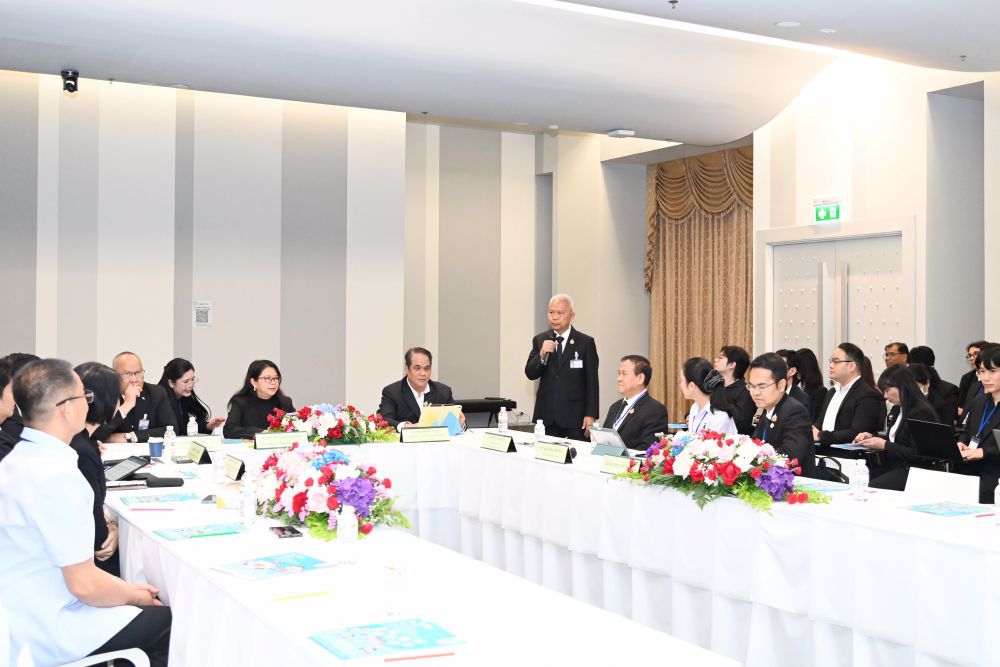
เมื่อวันที่ 15 กันยายน 2569 สภาผู้แทนราษฎรจัดเวทีระดับชาติในหัวข้อ "วิกฤตเกิดน้อยด้อยคุณภาพ" ณ อาคารรัฐสภา ภายใต้โครงการ "สภาผู้แทนราษฎรพบประชาชน" เนื่องจากประเทศไทยกำลังเผชิญการเปลี่ยนแปลงทางประชากรอย่างรวดเร็ว โดยอัตราเจริญพันธุ์รวมลดลงเหลือเพียง 1.0 ซึ่งต่ำกว่าระดับทดแทนประชากรอย่างมาก
ก่อนหน้านั้นหนึ่งสัปดาห์ เมื่อวันที่ 8 กันยายน 2569 ประธานสภาผู้แทนราษฎรเป็นประธานในพิธีลงนามบันทึกความเข้าใจ (MOU) เพื่อส่งเสริมการเกิดและการเจริญเติบโตอย่างมีคุณภาพของเด็กและเยาวชน ระหว่างสำนักงานเลขาธิการสภาผู้แทนราษฎรกับ 5 กระทรวง ได้แก่ กระทรวงสาธารณสุข กระทรวงการพัฒนาสังคมและความมั่นคงของมนุษย์ กระทรวงการอุดมศึกษา วิทยาศาสตร์ วิจัยและนวัตกรรม กระทรวงมหาดไทย และกระทรวงศึกษาธิการ ร่วมกับภาคเอกชนและองค์กรที่ทำงานด้านเด็ก เยาวชน สตรี และครอบครัว ห้องย่อยสำคัญของเวที "คุ้มครองแม่และเด็กด้วยกฎหมาย: ไทยต้องทำอะไรต่อ" ได้ทบทวนการคุ้มครองใน 3 ช่วงวัย ได้แก่ ก่อนมีบุตรและระหว่างตั้งครรภ์ แรกเกิดถึง 3 ปี และ 3–5 ปี
ผู้เข้าร่วมเห็นว่าแม้ประเทศไทยจะมีกฎหมายและมาตรการคุ้มครองแม่และเด็กอยู่แล้ว แต่ยังมีช่องว่าง โดยเฉพาะการคุ้มครองเด็กจากการตลาดอาหารและเครื่องดื่มที่เป็นอันตราย ภัยดิจิทัล ความรุนแรง และความเสี่ยงอื่น ๆ ผู้แทนจาก UNICEF องค์การอนามัยโลก สมัชชาสุขภาพแห่งชาติ และนักกฎหมาย ร่วมอภิปรายข้อเสนอที่ควรเร่งดำเนินการ ผลการหารือจะนำเสนอต่อที่ประชุมสภาและจัดทำเป็นสมุดปกขาว (White Paper)
ประเด็นสำคัญ: การแก้ปัญหาเด็กเกิดน้อยไม่ได้อยู่ที่จำนวนเด็กที่เกิดเท่านั้น แต่อยู่ที่การทำให้เด็กทุกคนเติบโตพร้อมการดูแลที่เอื้อต่อพัฒนาการและการคุ้มครอง ซึ่งทำให้การสนับสนุนพ่อแม่ผู้ปกครองเป็นหัวใจของวาระแห่งชาติ
ศึกษาเพิ่มเติม: https://www.parliament.go.th/view/7/TH-TH
 |
|
|---|
|
2. สภาผู้แทนราษฎรรับหลักการร่าง
พ.ร.บ.คุ้มครองผู้ถูกกระทำด้วยความรุนแรงในครอบครัว
|
|
|---|
|
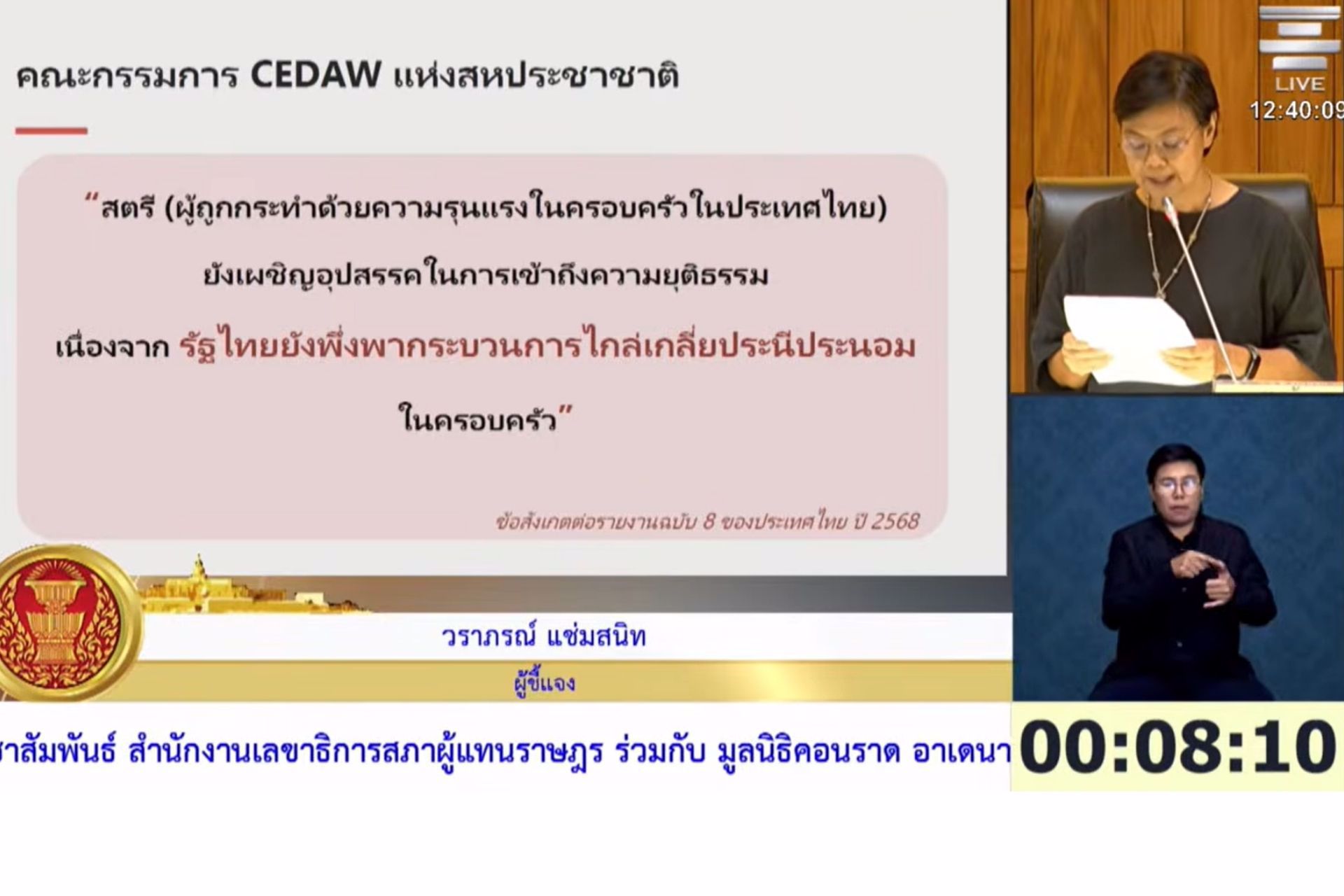
เมื่อวันที่ 23 กันยายน 2569 ที่ประชุมสภาผู้แทนราษฎรมีมติรับหลักการร่างพระราชบัญญัติคุ้มครองผู้ถูกกระทำด้วยความรุนแรงในครอบครัว ฉบับคณะรัฐมนตรี ในวาระแรก ด้วยคะแนนเห็นชอบ 434 เสียง ไม่เห็นชอบ 0 เสียง งดออกเสียง 1 เสียง และไม่ลงคะแนน 4 เสียง ขั้นตอนต่อไปคือการตั้งคณะกรรมาธิการเพื่อพิจารณาในรายละเอียด
คณะรัฐมนตรีเห็นชอบร่างดังกล่าวเมื่อวันที่ 25 สิงหาคม 2569 เพื่อปรับปรุงกฎหมายฉบับปี 2550 ให้ปิดช่องว่างทางกฎหมาย คุ้มครองผู้ถูกกระทำได้รวดเร็วขึ้น และประสานการทำงานระหว่างหน่วยงานได้ดีขึ้น สาระสำคัญ ได้แก่ การขยายนิยาม "ความรุนแรง" ให้ครอบคลุมความรุนแรงทางจิตใจและทางเศรษฐกิจ การขยายนิยาม "บุคคลในครอบครัว" ให้รวมถึงอดีตคู่สมรสและผู้ที่อาศัยอยู่ในครัวเรือนเดียวกัน การให้อำนาจเจ้าหน้าที่ออกคำสั่งห้ามผู้กระทำเข้าใกล้ผู้ถูกกระทำได้ทันที การเปลี่ยนจากการไกล่เกลี่ยเป็นแผนแก้ไขพฤติกรรม และการกำหนดให้ความรุนแรงในครอบครัวเป็นความผิดอาญาที่ยอมความไม่ได้ พร้อมเพิ่มโทษให้หนักขึ้น
สภาฯ พิจารณาร่างของคณะรัฐมนตรีไปพร้อมกับร่างที่เสนอโดย ส.ส. จากหลายพรรค และร่างภาคประชาชนที่มีผู้มีสิทธิเลือกตั้งร่วมลงชื่อ 23,989 คน เสนอโดยเครือข่ายภาคประชาสังคม 15 องค์กรที่ทำงานยุติความรุนแรงบนฐานเพศ ระหว่างการอภิปราย ส.ส. ได้หยิบยกประเด็นการป้องกันก่อนเกิดความรุนแรง การคุ้มครองผู้ถูกกระทำและเด็ก การเข้าถึงความช่วยเหลือ นิยามที่ชัดเจน การประสานงานระหว่างหน่วยงาน การเชื่อมโยงข้อมูล และความรุนแรงรูปแบบใหม่ในยุคดิจิทัล
ทำไมเรื่องนี้จึงสำคัญ: เด็กมักเป็นทั้งผู้เห็นเหตุการณ์และผู้ถูกกระทำจากความรุนแรงในบ้าน ระบบคุ้มครองที่เข้มแข็งและเน้นการป้องกันจึงเป็นส่วนเสริมสำคัญของการสนับสนุนพ่อแม่ผู้ปกครองในการดูแลให้เด็กปลอดภัยจากอันตราย
ลิงก์ข่าว:
https://www.matichon.co.th/local/news_5902366
https://theactive.thaipbs.or.th/news/law-rights-20260918-2
https://www.hfocus.org/content/2026/09/39582
 |
|
|---|
|
3. กสม. จัดเวทีสาธารณะว่าด้วยผลกระทบของการดูแลเด็กในสถานสงเคราะห์
|
|
|---|
|
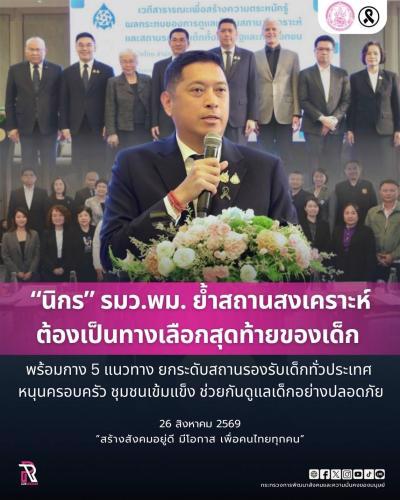
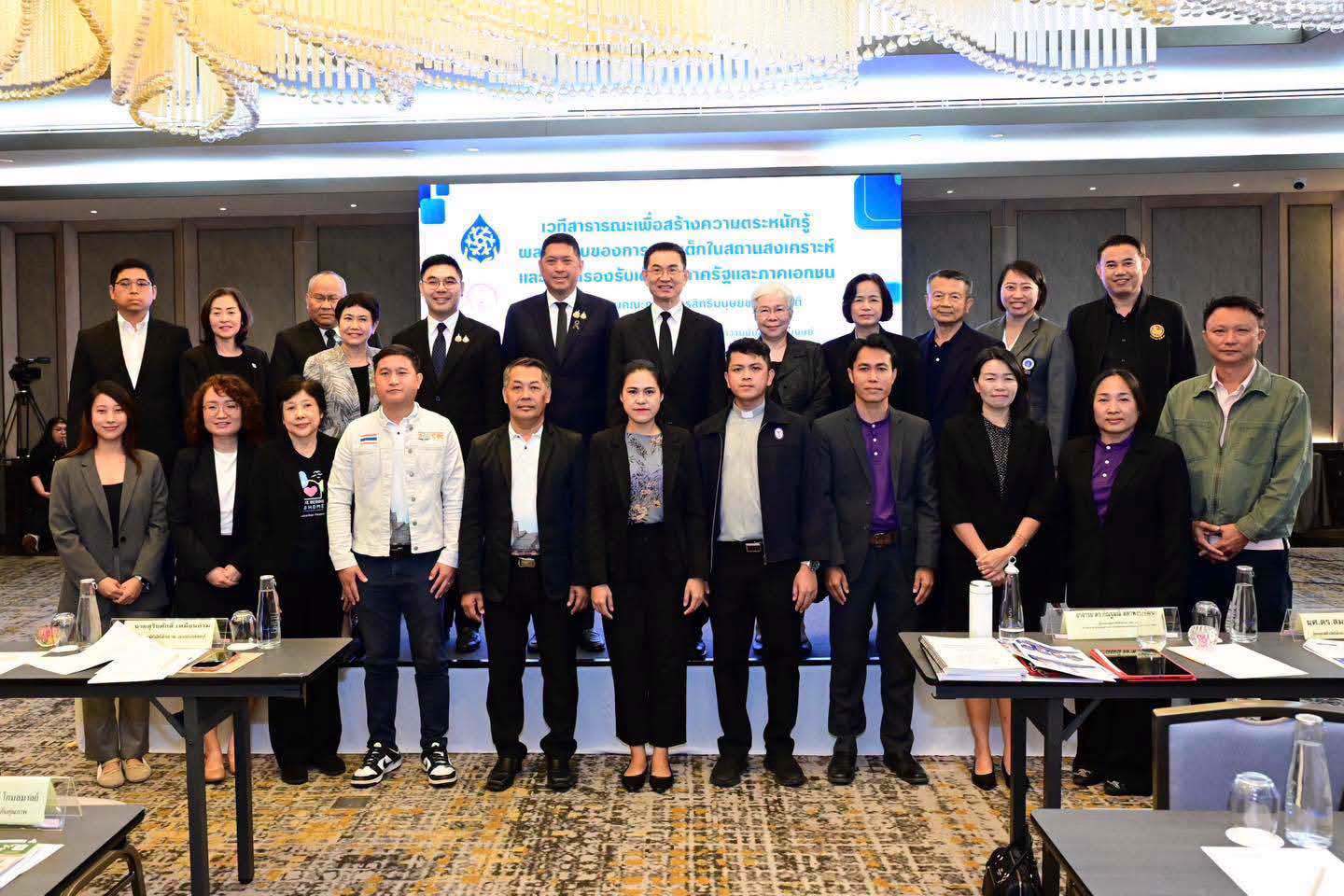
เมื่อวันที่ 26 สิงหาคม 2569 สำนักงานคณะกรรมการสิทธิมนุษยชนแห่งชาติ (กสม.) จัดเวทีสาธารณะเพื่อสร้างความตระหนักรู้ถึงผลกระทบของการดูแลเด็กในสถานสงเคราะห์และสถานรองรับเด็กทั้งภาครัฐและภาคเอกชน ณ กรุงเทพมหานคร ร่วมกับกระทรวงการพัฒนาสังคมและความมั่นคงของมนุษย์ (พม.) คณะสังคมศาสตร์และมนุษยศาสตร์ มหาวิทยาลัยมหิดล องค์การยูนิเซฟ ประเทศไทย และเครือข่ายการเลี้ยงดูทดแทนประเทศไทย (ACT) ซึ่งเป็นส่วนหนึ่งของการติดตามผลการดำเนินการตามข้อเสนอแนะของ กสม.
อธิบดีกรมกิจการเด็กและเยาวชนรายงานว่า คณะกรรมการคุ้มครองเด็กแห่งชาติได้เห็นชอบแนวทางการดำเนินงานสถานรองรับเด็กเอกชนเมื่อเดือนกันยายน 2568 และขณะนี้ดำเนินการนำร่องใน 4 จังหวัด ได้แก่ เชียงใหม่ เชียงราย ตาก และกาญจนบุรี เพื่อให้เด็กได้เติบโตในครอบครัวหรือสภาพแวดล้อมใกล้เคียงครอบครัว นอกจากนี้ รัฐมนตรีว่าการกระทรวง พม. ได้ปาฐกถาเรื่องทิศทางนโยบายของกระทรวง และผู้อำนวยการยูนิเซฟ ประเทศไทย บรรยายเรื่องแนวปฏิบัติด้านการเลี้ยงดูทดแทนสำหรับเด็กแห่งสหประชาชาติ
ในวงเสวนาช่วงแรก "ผลกระทบของการเลี้ยงดูเด็กในสถานสงเคราะห์" ผศ.ดร.สมบัติ ตาปัญญา ผู้ทรงคุณวุฒิด้านสิทธิเด็กของ กสม. ประธานมูลนิธิศานติวัฒนธรรม และประธานร่วม TPP-CoP ร่วมเสวนากับผู้เชี่ยวชาญด้านการคุ้มครองเด็ก คณะแพทยศาสตร์ มหาวิทยาลัยธรรมศาสตร์ และนักศึกษาปริญญาเอกผู้มีประสบการณ์เติบโตในสถานสงเคราะห์ วิทยากรสะท้อนปัญหาของการเลี้ยงดูในรูปแบบสถาบัน เช่น การเลี้ยงดูอย่างไม่เหมาะสม ความรุนแรงทั้งทางร่างกาย วาจา และจิตใจ การละเลยทอดทิ้ง และการแสวงประโยชน์จากเด็ก ทัศนคติแบบ "สงเคราะห์" ของผู้บริหารบางแห่ง การขาดความเข้าใจเรื่องพัฒนาการเด็กและการดูแลที่เข้าใจบาดแผลทางใจ (trauma-informed care) ของบุคลากร ภาวะความผูกพันไม่มั่นคง การสูญเสียอัตลักษณ์และความสัมพันธ์กับครอบครัว ตลอดจนผลกระทบระยะยาวต่อสุขภาพจิตของเด็ก พร้อมเสนอให้อบรมผู้บริหารและบุคลากร ติดตามประเมินผลอย่างสม่ำเสมอ และเปลี่ยนผ่านจากการดูแลในสถานสงเคราะห์ไปสู่ระบบครอบครัวทดแทน
ช่วงต่อมาเป็นการแลกเปลี่ยนตัวอย่างการทำงานจริง ได้แก่ กลไกคัดกรองเด็กระดับอำเภอ (gatekeeping) เพื่อลดการนำเด็กเข้าสถานสงเคราะห์โดยไม่จำเป็น ที่อำเภอสังขละบุรี จังหวัดกาญจนบุรี การทำงานร่วมกับครอบครัวและชุมชนเพื่อลดระยะเวลาการอยู่ในสถานสงเคราะห์และสนับสนุนครอบครัวอุปถัมภ์และครอบครัวเครือญาติอุปถัมภ์ ที่จังหวัดขอนแก่น และสถานสงเคราะห์เอกชนที่ปรับรูปแบบสู่การดูแลใกล้เคียงครอบครัว
ทำไมเรื่องนี้จึงสำคัญ: เด็กทุกคนมีสิทธิเติบโตในสภาพแวดล้อมแบบครอบครัวที่ปลอดภัยและเอาใจใส่ การเสริมความเข้มแข็งให้ครอบครัว รวมถึงการสนับสนุนการเลี้ยงดูเด็กเชิงบวก จึงเป็นหัวใจของการป้องกันการแยกเด็กออกจากครอบครัวโดยไม่จำเป็น รวมถึงการเสริมทักษะให้พ่อแม่ผู้ปกครองสร้างความสัมพันธ์ที่ใกล้ชิดกับเด็ก
ข้อมูลเพิ่มเติม https://www.prd.go.th/th/content/category/detail/id/33/iid/535672
|
|
|---|
|
4. คิด for คิดส์ (สสส. x 101 PUB) Research Roundup 2026:
"เด็กเปลี่ยน บ้านป่วน โลกป่วย"
|
|
|---|
|
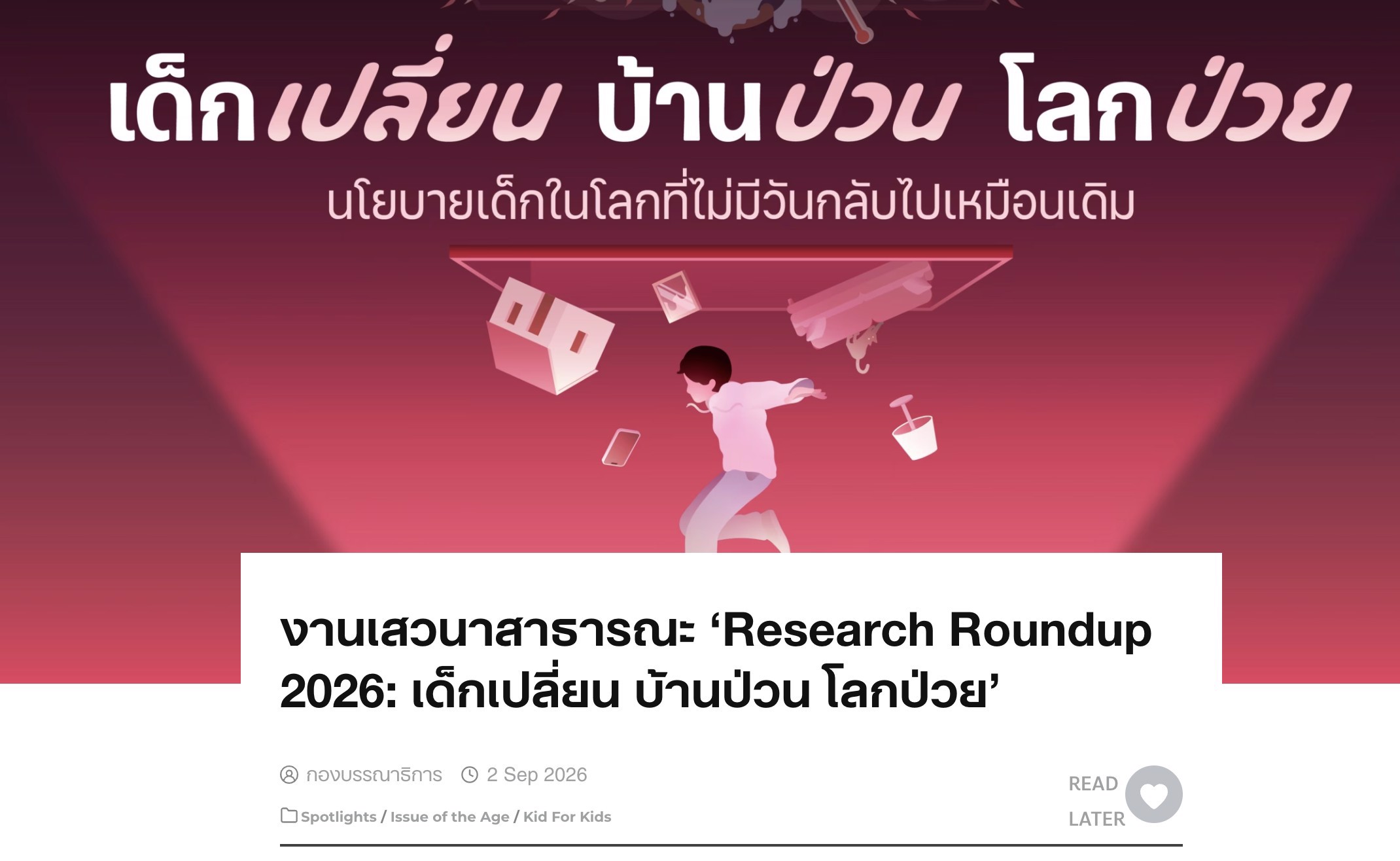
เมื่อวันที่ 18 กันยายน 2569 คิด for คิดส์ – ศูนย์ความรู้นโยบายเด็กและครอบครัว โดยความร่วมมือระหว่างสำนักงานกองทุนสนับสนุนการสร้างเสริมสุขภาพ (สสส.) กับ 101 Public Policy Think Tank (101 PUB) จัดงานเสวนาสาธารณะ "Research Roundup 2026" ณ สถาบันการเรียนรู้การสร้างเสริมสุขภาพ (Thai Health Academy) กรุงเทพฯ เพื่อเปิดตัวงานวิจัยใหม่ 3 ชิ้น ว่าด้วยการปรับตัวของนโยบายเด็กและครอบครัวไทยในโลกที่ไม่แน่นอน
ฉัตร คำแสง ผู้อำนวยการ 101 PUB ชี้ว่า เด็กในวันนี้เติบโตในโลกที่ไม่มีวันย้อนกลับไปเป็นแบบเดิม ทั้งจากวิกฤตสภาพภูมิอากาศ นิยามครอบครัวแบบใหม่ และปัญหาเชิงโครงสร้างอีกหลายด้าน การปล่อยให้การเลี้ยงดูเด็กเป็นภาระของแต่ละครอบครัวเพียงลำพังจึงไม่เพียงพออีกต่อไป
ทบทวนกรอบการดำเนินนโยบายด้านเด็กและครอบครัว (กุลธิดา รุ่งเรืองเกียรติ และคณะ): อ่านสรุปรายงานได้ในส่วนรายงานและแนวทางของฉบับนี้
พลวัตครอบครัวไทยในสังคมร่วมสมัย (ผศ.ดร.จันทนี เจริญศรี มหาวิทยาลัยธรรมศาสตร์): การสำรวจและสนทนากลุ่มกับผู้ร่วมวิจัย 466 คน พบว่านิยามของครอบครัวหลากหลายมากขึ้น โดยเฉพาะในกลุ่มเจน Y และเจน Z งานวิจัยเสนอให้เปลี่ยนจากการส่งเสริม "สถาบันครอบครัว" ในรูปแบบตายตัว ไปสู่การสนับสนุนโครงสร้างพื้นฐานด้านการดูแล เช่น การรับรองทางกฎหมายสำหรับครอบครัวที่เลือกเอง เงินช่วยเหลือและสิทธิลดหย่อนภาษีตามการดูแลจริง และสิทธิลาเพื่อดูแลสมาชิกในครอบครัว
ศึกษาข้อมูลเพิ่มเติม;
https://www.the101.world/research-roundup-2026/
https://kidforkids.org
https://theactive.thaipbs.or.th/news/climate-change-20260918 |
|
|---|
|
5. งานวิจัยใหม่ภายใต้การสนับสนุนของ สสส.:
ความท้าทายของเด็กและเยาวชนไทยที่เติบโตท่ามกลางวิกฤตโลกรวน
|
|
|---|
|
งานวิจัยของคิด for คิดส์ ที่นำเสนอในเวที Research Roundup 2026 เช่นกัน โดยรพีพัฒน์ อิงคสิทธิ์ เครือข่ายการเงินเพื่อรับมือกับภาวะโลกรวน (CFNT) ศึกษาผลกระทบของวิกฤตสภาพภูมิอากาศต่อเด็กและเยาวชนไทย ประเทศไทยเป็นหนึ่งในประเทศที่ได้รับผลกระทบจากการเปลี่ยนแปลงสภาพภูมิอากาศมากที่สุด และเด็กมีความเปราะบางเป็นพิเศษเพราะร่างกายยังอยู่ในช่วงพัฒนา
งานวิจัยเตือนว่า ภัยพิบัติเพียงครั้งเดียวอาจทำให้ครอบครัวติดกับดักความยากจนข้ามรุ่น เมื่อรายได้ครัวเรือนลดลง ครอบครัวต้องลดคุณภาพหรือปริมาณอาหาร ส่งผลต่อสุขภาพและการเรียนรู้ของเด็ก เมื่อโตขึ้นเด็กกลุ่มนี้มีรายได้น้อยลงและปรับตัวได้ยากขึ้น และวงจรจะซ้ำเมื่อบุตรหลานของพวกเขาเผชิญภัยพิบัติอีกครั้ง แม้เด็กและเยาวชนจะเป็นผู้แบกรับต้นทุนระยะยาวของวิกฤตโลกรวน แต่ประเทศไทยยังไม่มีแผนการปรับตัวที่ครอบคลุมกลุ่มนี้อย่างชัดเจน
ข้อเสนอเชิงนโยบาย ได้แก่ บรรจุสิทธิเด็กในกฎหมายด้านการเปลี่ยนแปลงสภาพภูมิอากาศ และเพิ่มเป้าหมายด้านเด็กและเยาวชนใน NDC 4.0 ของไทย จัดตั้งสภาเยาวชนด้านสภาพภูมิอากาศแห่งชาติที่มีกฎหมายรับรอง สร้างฐานข้อมูลความเสี่ยงภัยพิบัติของทุกโรงเรียนและปรับปรุงโรงเรียนในพื้นที่เสี่ยงสูงเป็นลำดับแรก และทำให้นักเรียนกลับมาเรียนได้ภายใน 48–72 ชั่วโมงหลังเกิดภัยพิบัติ
ศึกษาข้อมูลเพิ่มเติม;
https://kidforkids.org/?sdm_process_download=1&download_id=4259
https://kidforkids.org/?sdm_process_download=1&download_id=4249 |
|
|---|
|
6. พม. จัดงานวันเยาวชนแห่งชาติ 2569 และมหกรรมการพัฒนาเด็กและเยาวชน (Children and Youth Expo 2026)
|
|
|---|
|
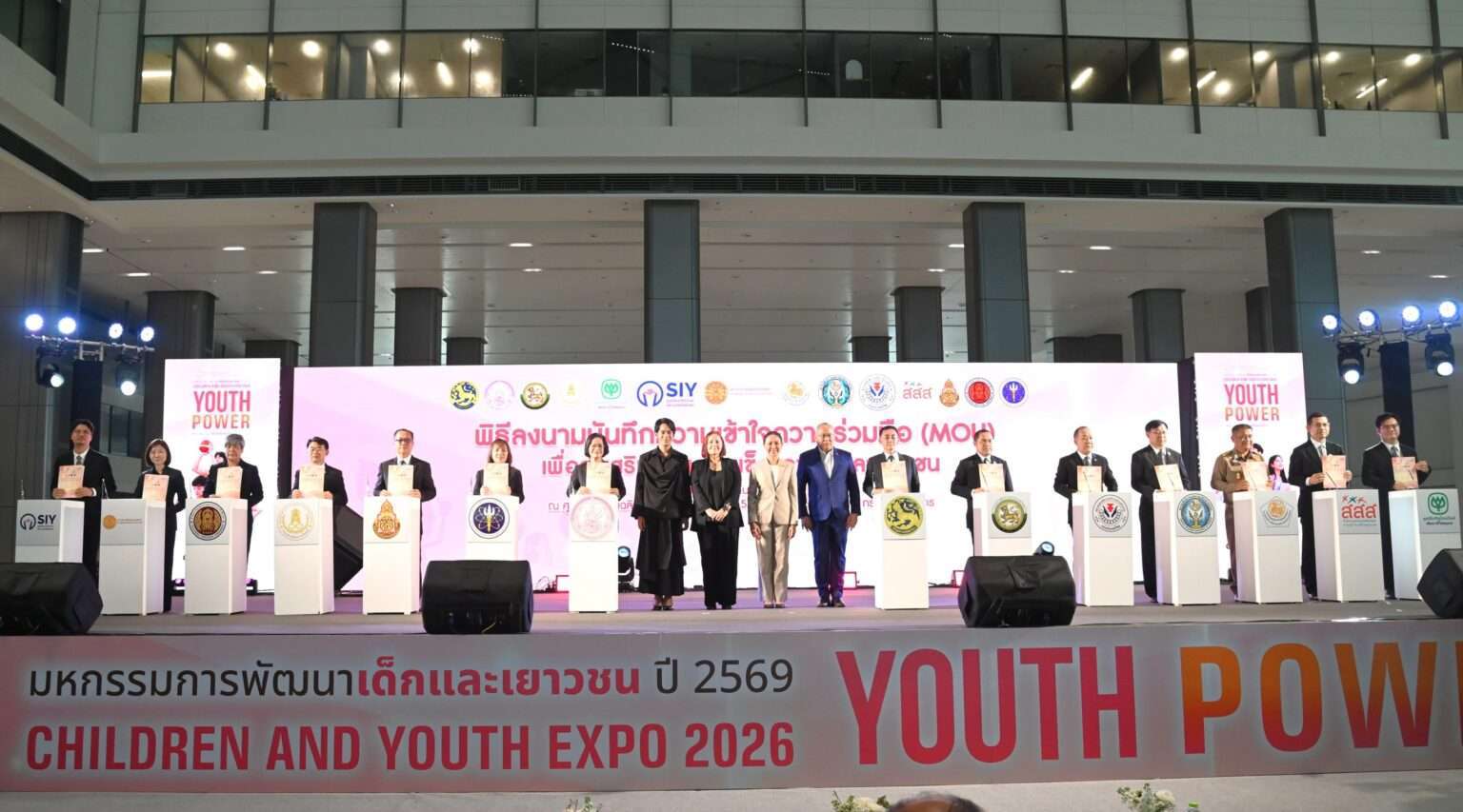
เมื่อวันที่ 20 กันยายน 2569 กรมกิจการเด็กและเยาวชน (ดย.) กระทรวงการพัฒนาสังคมและความมั่นคงของมนุษย์ (พม.) จัดงานวันเยาวชนแห่งชาติ 2569 เพื่อยกย่องเด็กและเยาวชนดีเด่น กลุ่มเยาวชน และบุคคลหรือองค์กรที่ทำคุณประโยชน์ต่อเด็กและเยาวชน
วันถัดมา 21 กันยายน 2569 พม. เปิดงาน Children and Youth Expo 2026 ณ ศูนย์ราชการฯ กรุงเทพฯ โดยมีหน่วยงานภาคีร่วม 16 หน่วยงาน ภายใต้แนวคิด "เด็กคิด เด็กทำ เด็กนำ ผู้ใหญ่หนุน" งานนี้ต่อยอดจาก 9 มาตรการที่ประกาศเมื่อเดือนพฤษภาคม 2569 เพื่อเสริมความเข้มแข็งให้สภาเด็กและเยาวชนทั้ง 8,778 แห่งทั่วประเทศ โดยมีสำนักงานพัฒนาสังคมและความมั่นคงของมนุษย์จังหวัดและบ้านพักเด็กและครอบครัวเป็นกลไกในพื้นที่ กระทรวงย้ำว่าเด็กและเยาวชนไม่ได้เป็นเพียงผู้รับประโยชน์อีกต่อไป แต่เป็นหุ้นส่วนเชิงยุทธศาสตร์ในการพัฒนาประเทศ
ศึกษาข้อมูลเพิ่มเติม; https://thaitabloid.com/archives/319494
|
|
|
|---|
|
7. 6. สสส. และภาคี: "อย่ารอให้เกิดเหตุ"
เห็นสัญญาณ เชื่อมการดูแล สร้างสังคมไทยไร้ความรุนแรง
|
|
|---|
|
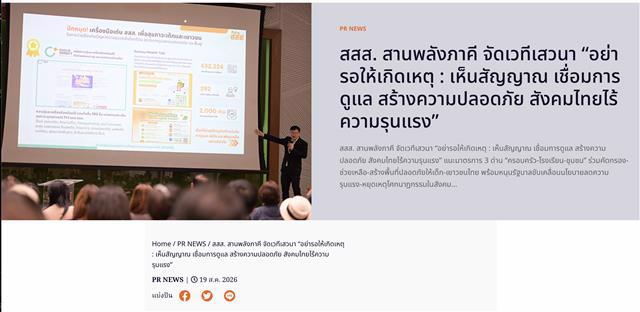
เมื่อวันที่ 17 สิงหาคม 2569 สำนักงานกองทุนสนับสนุนการสร้างเสริมสุขภาพ (สสส.) และภาคีเครือข่ายจัดเวทีสาธารณะ ณ ศูนย์เรียนรู้สุขภาวะ กรุงเทพฯ ภายใต้หัวข้อ "อย่ารอให้เกิดเหตุ: เห็นสัญญาณ เชื่อมการดูแล สร้างความปลอดภัย สู่สังคมไทยไร้ความรุนแรง"
เวทีเสนอแนวทาง "3 ด่าน" ให้ครอบครัว โรงเรียน และชุมชนทำงานร่วมกันในการคัดกรอง ช่วยเหลือ และสร้างพื้นที่ปลอดภัยให้เด็กและเยาวชน และเรียกร้องให้รัฐลดความรุนแรงผ่านการป้องกันในโรงเรียน การกำกับดูแลแพลตฟอร์มดิจิทัล และการเสริมศักยภาพองค์กรปกครองส่วนท้องถิ่น เพื่อให้บริการต่าง ๆ เชื่อมต่อกันโดยไม่มีช่องว่าง สสส. ระบุว่าความรุนแรงในเด็กและเยาวชนเป็น "วิกฤตที่มองไม่เห็น" ซึ่งกว้างกว่าเหตุการณ์ร้ายแรงในโรงเรียนมาก
ศึกษาข้อมูลเพิ่มเติม; https://mthai.com/news/pr/417602.html
|
|
|
|---|
|
8. 8. มูลนิธิศานติวัฒนธรรมอบรมวิทยากรกระบวนการ PLH-YC รุ่น10 ที่เชียงใหม่
|
|
|---|
|
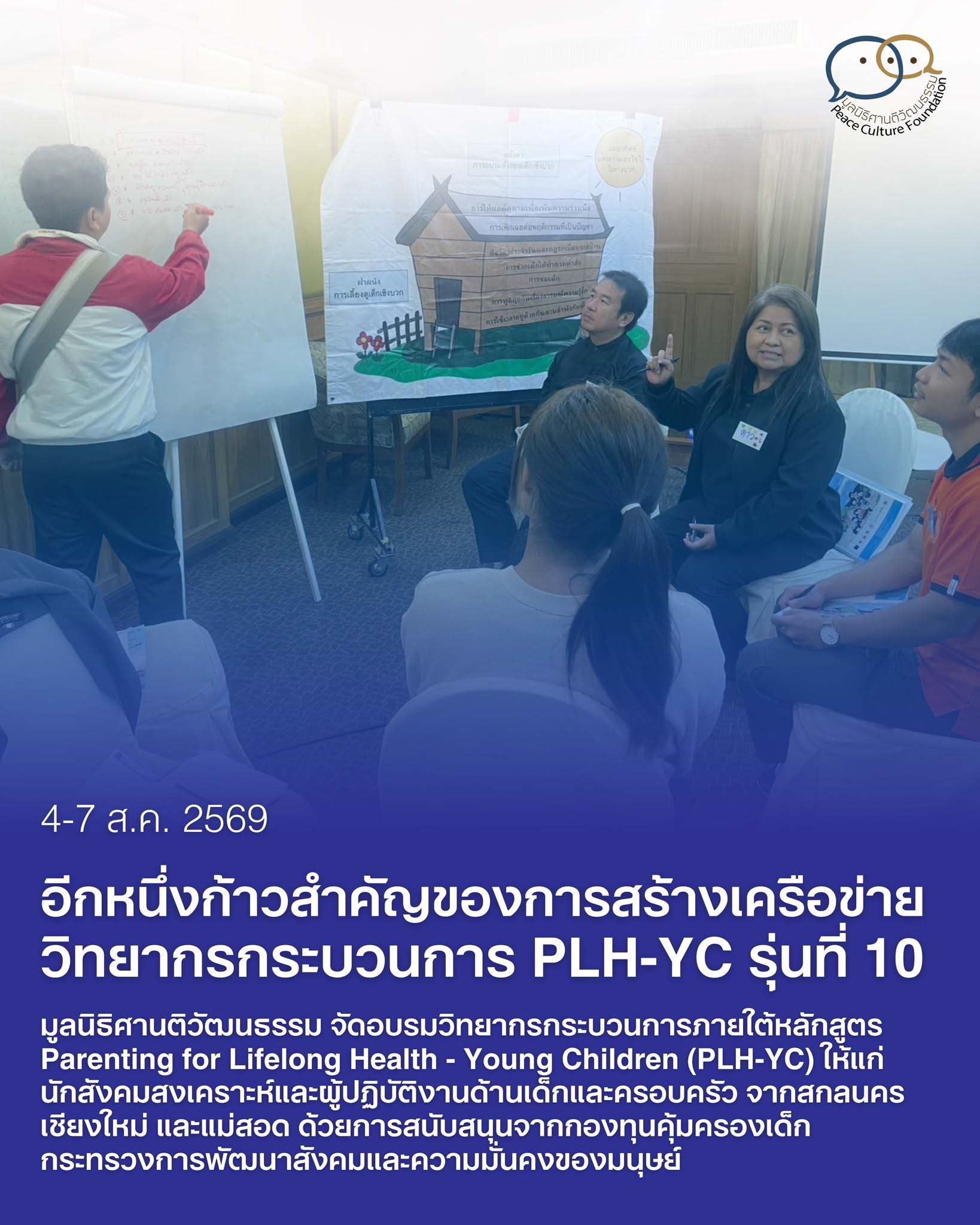
ระหว่างวันที่ 3–7 สิงหาคม 2569 มูลนิธิศานติวัฒนธรรมจัดการอบรมวิทยากรกระบวนการ (Facilitator) โปรแกรม Parenting for Lifelong Health – Young Children (PLH-YC) ณ จังหวัดเชียงใหม่ โดยความร่วมมือกับกรมกิจการเด็กและเยาวชน (ดย.) กระทรวงการพัฒนาสังคมและความมั่นคงของมนุษย์ ด้วยทุนสนับสนุนจากกองทุนคุ้มครองเด็ก
การอบรม 4 วันนี้มีผู้เข้าร่วม 16 คน จากจังหวัดสกลนคนและเชียงใหม่ โดยมีผู้แทนจากกรมกิจการเด็กและเยาวชน เข้าร่วม 3 คน และวิทยากร 3 ท่าน คือ อาจารย์วิไลพร บุญสูงเนิน วิทยาลัยพยาบาลอุดรธานี ดร.แอมมาลี แม็คคอย และ ผศ.ดร.สมบัติ ตาปัญญา ซึ่งเป็นประธานร่วมของ CoP
PLH-YC เป็นโปรแกรมการเลี้ยงดูเด็กเชิงบวกที่มีหลักฐานเชิงประจักษ์ สำหรับพ่อแม่และผู้ดูแลเด็กอายุ 2–9 ปี พัฒนาภายใต้โครงการ Parenting for Lifelong Health ระดับโลก วิทยากรกระบวนการรุ่นใหม่จะช่วยขยายโปรแกรมไปสู่ครอบครัวมากขึ้นผ่านองค์กรและเครือข่ายในพื้นที่ของตนเอง
ศึกษาข้อมูลเพิ่มเติม; https://www.facebook.com/PeaceCultureFoundation
|
|
|
|---|
|
1. TPP-CoP: การประชุมชุมชนผู้ปฏิบัติงานด้านการเลี้ยงดูเด็กเชิงบวก
ในประเทศไทย ครั้งที่ 2
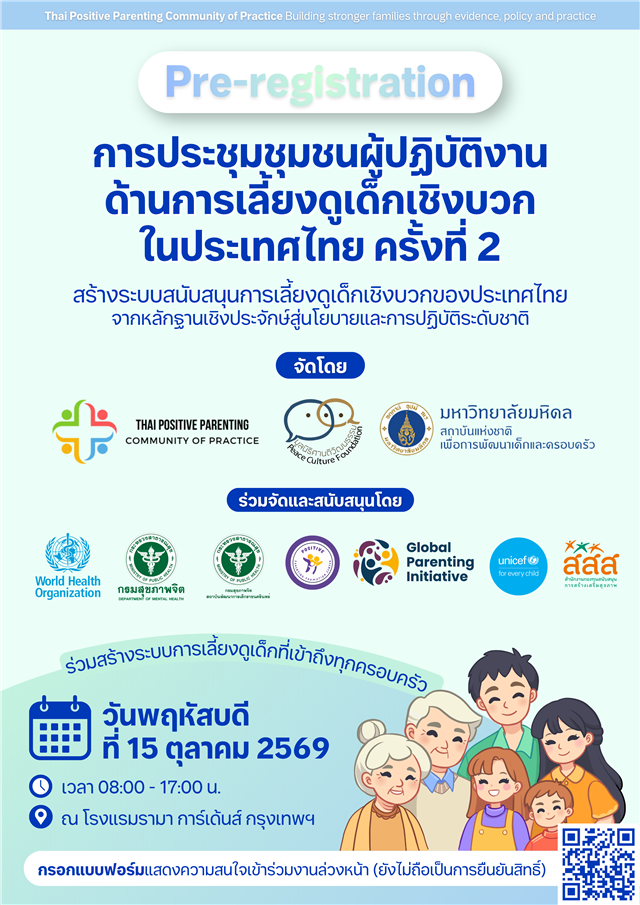
ต่อยอดจากความสำเร็จของการประชุมระดับชาติครั้งแรกเมื่อวันที่ 19 ธันวาคม 2566 ชุมชนผู้ปฏิบัติงานด้านการเลี้ยงดูเด็กเชิงบวกในประเทศไทยจะจัดการประชุมระดับชาติ ครั้งที่ 2 โดยความร่วมมือกับกรมสุขภาพจิต สถาบันพัฒนาการเด็กราชนครินทร์ องค์การอนามัยโลก ประเทศไทย และองค์การยูนิเซฟ ประเทศไทย ภายใต้หัวข้อ "สร้างระบบสนับสนุนการเลี้ยงดูเด็กเชิงบวกของประเทศไทย จากหลักฐานเชิงประจักษ์สู่นโยบายและการปฏิบัติระดับชาติ"
การประชุมนี้เป็นเวทีแลกเปลี่ยนหลักฐานเชิงประจักษ์ ประสบการณ์ และบทเรียนด้านการสนับสนุนการเลี้ยงดูเด็กเชิงบวก เพื่อร่วมสร้างระบบสนับสนุนพ่อแม่ผู้ปกครองที่ครอบคลุมและบูรณาการหลายภาคส่วน บนพื้นฐานของหลักฐานเชิงประจักษ์ การปฏิบัติที่เหมาะสมกับบริบทวัฒนธรรม และสิทธิของเด็กและพ่อแม่ ประเด็นสำคัญ ได้แก่
• การพัฒนานโยบายระดับชาติด้านการสนับสนุนพ่อแม่ผู้ปกครอง
• การขยายการเข้าถึงโปรแกรมการเลี้ยงดูของครอบครัว
• บทเรียนจากโปรแกรมการเลี้ยงดูแบบดิจิทัลและแบบผสมผสาน
• การขยายผลการสนับสนุนพ่อแม่ผ่านองค์กรปกครองส่วนท้องถิ่น
• การทำงานกับกลุ่มเปราะบางเป็นพิเศษ
• การรวบรวมข้อเสนอสู่การประชุมระดับรัฐมนตรีโลกว่าด้วยการยุติความรุนแรงต่อเด็ก ครั้งที่ 2
ผู้เข้าร่วมประกอบด้วยผู้แทนจากหน่วยงานภาครัฐ สถาบันการศึกษา ผู้ให้บริการ ภาคเอกชน หน่วยงานสหประชาชาติ และองค์กรพัฒนาเอกชน
วันที่: วันพฤหัสบดีที่ 15 ตุลาคม 2569 | 08.00–17.00 น.
สถานที่: โรงแรมรามา การ์เด้นส์ กรุงเทพฯ
|
 |
|
|
|
|
2. หอศิลปวัฒนธรรมแห่งกรุงเทพมหานคร (หอศิลป์ กทม.): "Art Around Us" โครงการศิลปะสร้างสรรค์สำหรับเด็กและครอบครัว
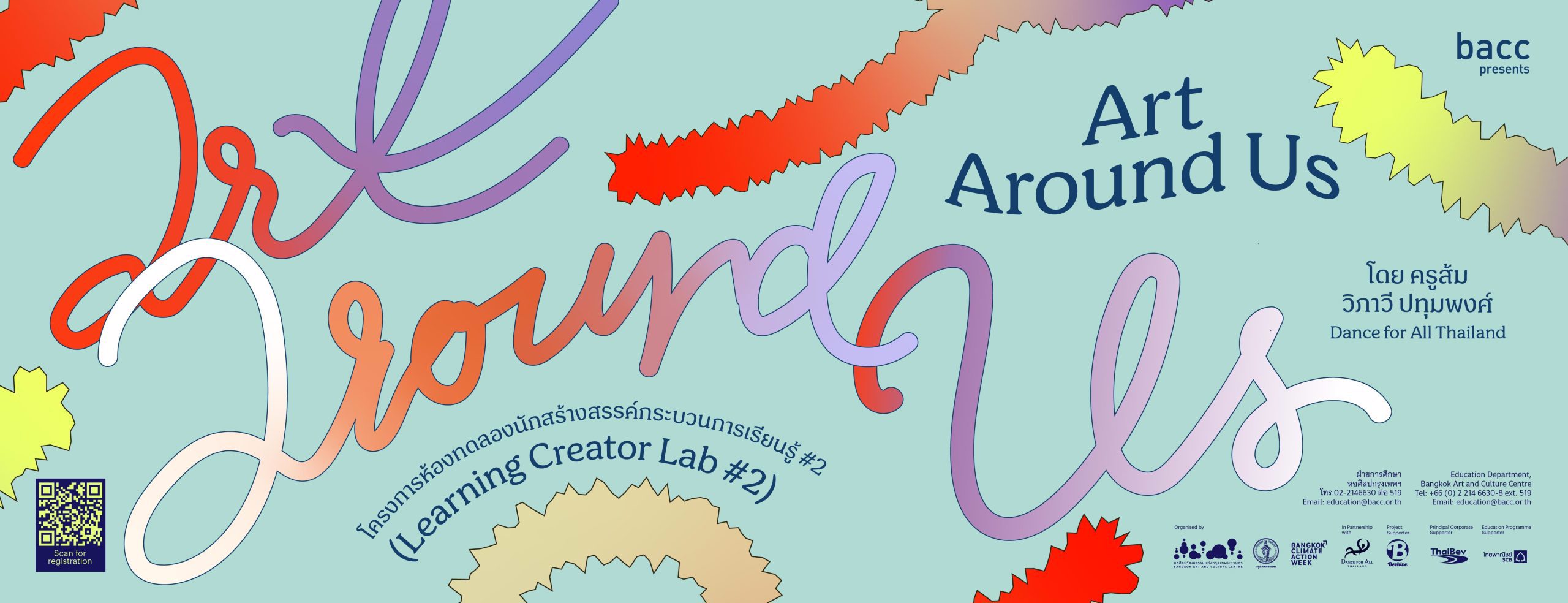
ฝ่ายการศึกษา หอศิลป์ กทม. และ Bangkok Climate Action Week (BKKCAW) ร่วมกับ Dance for All Thailand ขอเชิญเด็ก ครอบครัว และผู้ดูแล ร่วมโครงการ "Art Around Us" โครงการเรียนรู้เชิงสร้างสรรค์โดยวิภาวี ปทุมพงษ์ (ครูส้ม) ซึ่งพัฒนาผ่าน Learning Creator Lab #2 ของหอศิลป์ กทม. จากประสบการณ์กว่า 20 ปีด้านการเต้น การเคลื่อนไหว และศิลปศึกษา โครงการใช้การเคลื่อนไหว ดนตรี การเล่น การเล่าเรื่อง และวัสดุเหลือใช้หรือของใกล้ตัว เปลี่ยนสิ่งรอบตัวให้เป็นพื้นที่การเรียนรู้ และเสริมสร้างความสัมพันธ์ระหว่างเด็กกับผู้ใหญ่ที่ดูแลเขา โครงการแบ่งเป็น 3 ส่วน
Workshop 1 – ปลูกความคิดสร้างสรรค์ (สำหรับพ่อแม่และผู้ดูแลเด็กอายุ 4–12 ปี): เรียนรู้การสังเกต ฟัง รอ และสื่อสาร เพื่อให้เด็กมีพื้นที่คิด ทดลอง และเป็นตัวของตัวเอง วันเสาร์ที่ 3 ตุลาคม 2569 เวลา 16.00–17.00 น. (Zoom) และวันอาทิตย์ที่ 11 ตุลาคม 2569 เวลา 13.00–16.00 น. (หอศิลป์ กทม. ชั้น 1) ต้องเข้าร่วมทั้งสองวัน รับ 50 ที่นั่ง เปิดรับสมัคร 12–30 กันยายน 2569
Workshop 2 – เติบโตไปด้วยกัน (กิจกรรมผู้ปกครองและเด็ก): เชื่อมสัมพันธ์ผ่านร่างกาย ศิลปะ ดนตรี และหุ่นมือ วันอาทิตย์ที่ 15 พฤศจิกายน 2569 รอบเช้าและรอบบ่าย รอบละ 20 คู่ เปิดรับสมัคร 13 ตุลาคม–10 พฤศจิกายน 2569
Workshop 3 – Bloom: Creative Creatures (สำหรับเด็กอายุ 4–12 ปี): ประสบการณ์การเล่นแบบดื่มด่ำที่กระตุ้นประสาทสัมผัสหลายด้าน ร่วมกับคณะละคร PoonPoon Theatre วันที่ 23–24 มกราคม 2570 รอบละ 30 คน เปิดรับสมัคร 19 ธันวาคม 2569–20 มกราคม 2570
ทุกกิจกรรมไม่มีค่าใช้จ่าย โดยมีค่ามัดจำ 300 บาทต่อกิจกรรม ซึ่งจะได้รับคืนในวันร่วมกิจกรรม
|
 |
|
|
|
|
3. สถาบันแห่งชาติเพื่อการพัฒนาเด็กและครอบครัว มหาวิทยาลัยมหิดล
งานแลกเปลี่ยนเรียนรู้การดูแลเด็กที่มีความต้องการพิเศษ ครั้งที่ 31
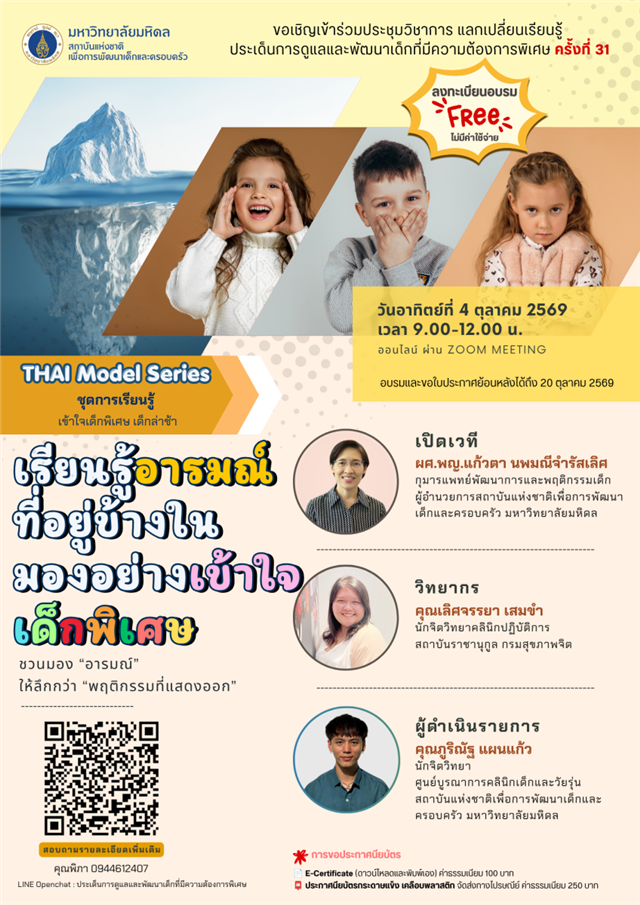
สถาบันแห่งชาติเพื่อการพัฒนาเด็กและครอบครัว (สถาบันเด็กฯ) มหาวิทยาลัยมหิดล ขอเชิญพ่อแม่ ครู ผู้เชี่ยวชาญ และผู้สนใจ ร่วมงานแลกเปลี่ยนเรียนรู้การดูแลและพัฒนาเด็กที่มีความต้องการพิเศษ ครั้งที่ 31 ในหัวข้อ "เรียนรู้อารมณ์ข้างใน: มองเด็กที่มีความต้องการพิเศษอย่างเข้าใจ"
วันที่: วันอาทิตย์ที่ 4 ตุลาคม 2569 | 09.00–12.00 น. | ออนไลน์ผ่าน Zoom
สถาบันเด็กฯ ยังมีหลักสูตรระยะสั้น บทเรียนออนไลน์ และแพลตฟอร์มการเรียนรู้สำหรับพ่อแม่ ครู และผู้เชี่ยวชาญอีกมากมาย เช่น ทักษะสมอง EF สุขภาพจิตในโรงเรียน ความปลอดภัยในเด็ก และกรอบการดูแลเพื่อพัฒนาการ (Nurturing Care Framework) ติดตามหลักสูตรใหม่ได้ผ่านระบบสมาชิกของสถาบัน
ข้อมูลเพิ่มเติม
https://nicfd-member.mahidol.ac.th/course/detail/1071
https://nicfd-member.mahidol.ac.th/course
|
|
|
|
|
4. สถาบันเด็กฯ ม.มหิดล: การประชุมวิชาการระดับชาติ
ด้านการพัฒนาเด็กและครอบครัว ครั้งที่ 12 ประจำปี 2569
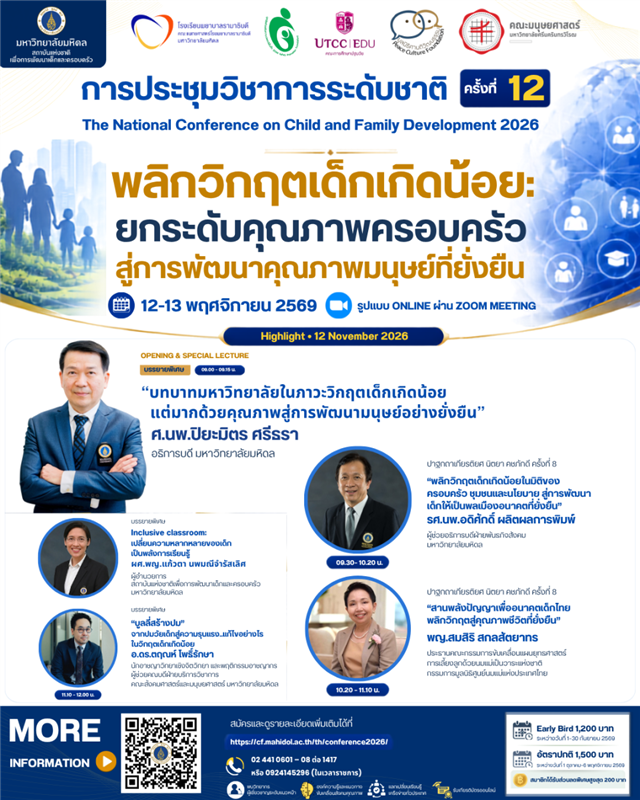
สถาบันแห่งชาติเพื่อการพัฒนาเด็กและครอบครัว มหาวิทยาลัยมหิดล จัดการประชุมวิชาการระดับชาติด้านการพัฒนาเด็กและครอบครัว ครั้งที่ 12 ภายใต้หัวข้อ
"พลิกวิกฤตเด็กเกิดน้อย: ยกระดับคุณภาพครอบครัวสู่การพัฒนาคุณภาพมนุษย์ที่ยั่งยืน"
วันที่: 12–13 พฤศจิกายน 2569 | ออนไลน์ผ่าน Zoom
ค่าลงทะเบียน: 1,200 บาท (ผู้เข้าร่วมประชุม) | 2,000 บาท (ผู้นำเสนอผลงานวิจัย)
วันที่ 1 (12 พฤศจิกายน): พิธีเปิดและบรรยายพิเศษโดย ศ.นพ.ปิยะมิตร ศรีธรา อธิการบดีมหาวิทยาลัยมหิดล เรื่องบทบาทมหาวิทยาลัยในภาวะวิกฤตเด็กเกิดน้อย ปาฐกถาเกียรติยศ นิตยา คชภักดี ครั้งที่ 8 โดย รศ.นพ.อดิศักดิ์ ผลิตผลการพิมพ์ และ พญ.สมสิริ สกลสัตยาทร และช่วง "บูลลี่สร้างปม" ว่าด้วยปมวัยเด็กสู่ความรุนแรง ช่วงบ่ายมีห้องย่อย เช่น "ทำอย่างไรในยุคที่เด็กเกิดน้อย แต่สมองต้องมีคุณภาพมาก" และช่วงของ ผศ.ดร.ปนัดดา ธนเศรษฐกร ร่วมกับมูลนิธิศานติวัฒนธรรม (14.40–16.00 น.)
วันที่ 2 (13 พฤศจิกายน): ห้องย่อยคู่ขนานว่าด้วยกรอบการดูแลเพื่อพัฒนาการ (Nurturing Care Framework) ความเข้มแข็งของครอบครัว ความสามารถในการฟันฝ่าอุปสรรค (AQ) และภาวะหมดไฟในการเลี้ยงดูเด็ก การจัดการอารมณ์และพฤติกรรมของเด็กเล็ก ทักษะสมอง EF ในฐานะ "วัคซีนสมอง" ป้องกันความรุนแรง การเปลี่ยนความเครียดของพ่อแม่สู่การเลี้ยงดูเด็กอย่างมีสติ และห้องเรียนเรียนรวม ช่วงบ่ายเป็นการนำเสนอผลงานวิจัยภาคบรรยาย สอดคล้องกับหัวข้อการประชุมเรื่องการยกระดับคุณภาพครอบครัว ช่วงของมูลนิธิศานติวัฒนธรรมจะแลกเปลี่ยนประสบการณ์การสนับสนุนพ่อแม่ผู้ปกครองด้วยการเลี้ยงดูเด็กเชิงบวก โดยอิงโปรแกรม Parenting for Lifelong Health (PLH) ทั้งนี้ ผู้จัดจะประกาศชื่อหัวข้ออีกครั้ง
ข้อมูเพิ่มเติม
https://nicfd-member.mahidol.ac.th/course/detail/1090
|
 |
|
|
|
|
5. เน็ตป๊าม้า: "ห้องเรียนหัวใจพ่อแม่"
การเรียนรู้การเลี้ยงดูเด็กเชิงบวกแบบกลุ่ม ณ กรุงเทพฯ
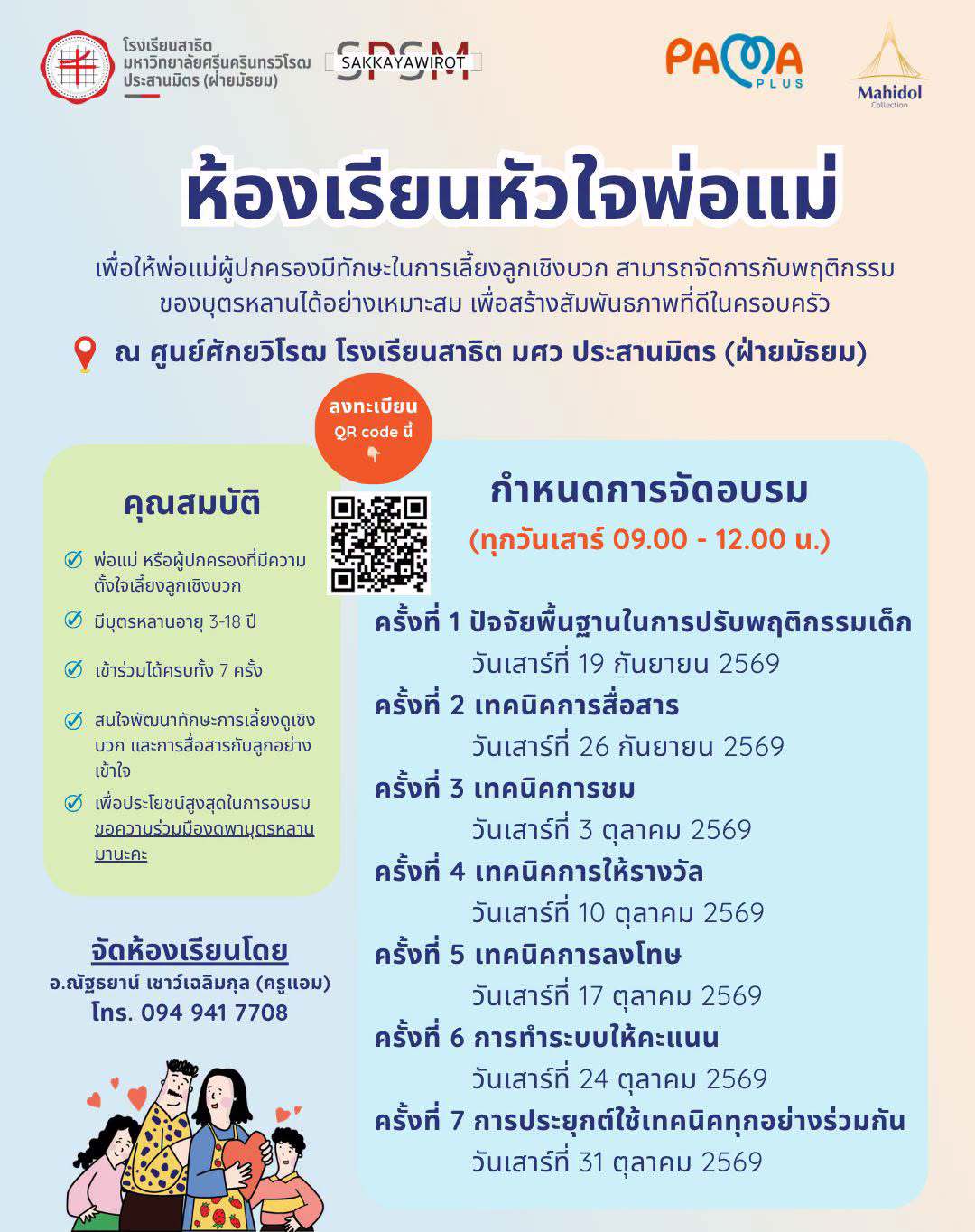
เพราะไม่มีพ่อแม่คนไหนสมบูรณ์แบบ แต่พ่อแม่ทุกคนเรียนรู้ได้ เน็ตป๊าม้าและ PAMA Plus ร่วมกับโรงเรียนสาธิตมหาวิทยาลัยศรีนครินทรวิโรฒ ประสานมิตร (ฝ่ายมัธยม) และมหาวิทยาลัยมหิดล จัด "ห้องเรียนหัวใจพ่อแม่" พื้นที่เล็ก ๆ ที่พ่อแม่ผู้ปกครองจะได้ฝึกเทคนิคเชิงบวก พร้อมทำความเข้าใจหัวใจของเด็กและของตัวเองไปพร้อมกัน
ห้องเรียนนี้มุ่งให้พ่อแม่ผู้ปกครองมีทักษะการเลี้ยงดูเด็กเชิงบวก จัดการกับพฤติกรรมของบุตรหลานได้อย่างเหมาะสม และสร้างสัมพันธภาพที่ดีในครอบครัว ครั้งแรกว่าด้วยปัจจัยพื้นฐานในการปรับพฤติกรรมเด็ก ต่อด้วยเทคนิคการสื่อสารและทักษะหลักอื่น ๆ ของเน็ตป๊าม้า
วันเวลา: ทุกวันเสาร์ เวลา 09.00–12.00 น. ตั้งแต่ 19 กันยายน ถึง 31 ตุลาคม 2569 (7 ครั้ง)
สถานที่: ศูนย์ศักยวิโรฒ โรงเรียนสาธิต มศว ประสานมิตร (ฝ่ายมัธยม) กรุงเทพฯ
คุณสมบัติ: พ่อแม่หรือผู้ปกครองที่มีบุตรหลานอายุ 3–18 ปี มีความตั้งใจเลี้ยงดูเด็กเชิงบวก และเข้าร่วมได้ครบทั้ง 7 ครั้ง ลงทะเบียนผ่าน QR code บนโปสเตอร์
พ่อแม่ที่อยู่นอกกรุงเทพฯ สามารถเรียนรู้ได้ทุกที่ทุกเวลาผ่านหลักสูตรออนไลน์ฟรีของเน็ตป๊าม้า หรือค้นหา "ห้องเรียนพ่อแม่ด้วยเน็ตป๊าม้า" ใกล้บ้าน
สอบถามเพิ่มเติม
https://www.facebook.com/netpama.101/
https://www.netpama.com
|
 |
|
|
|
|
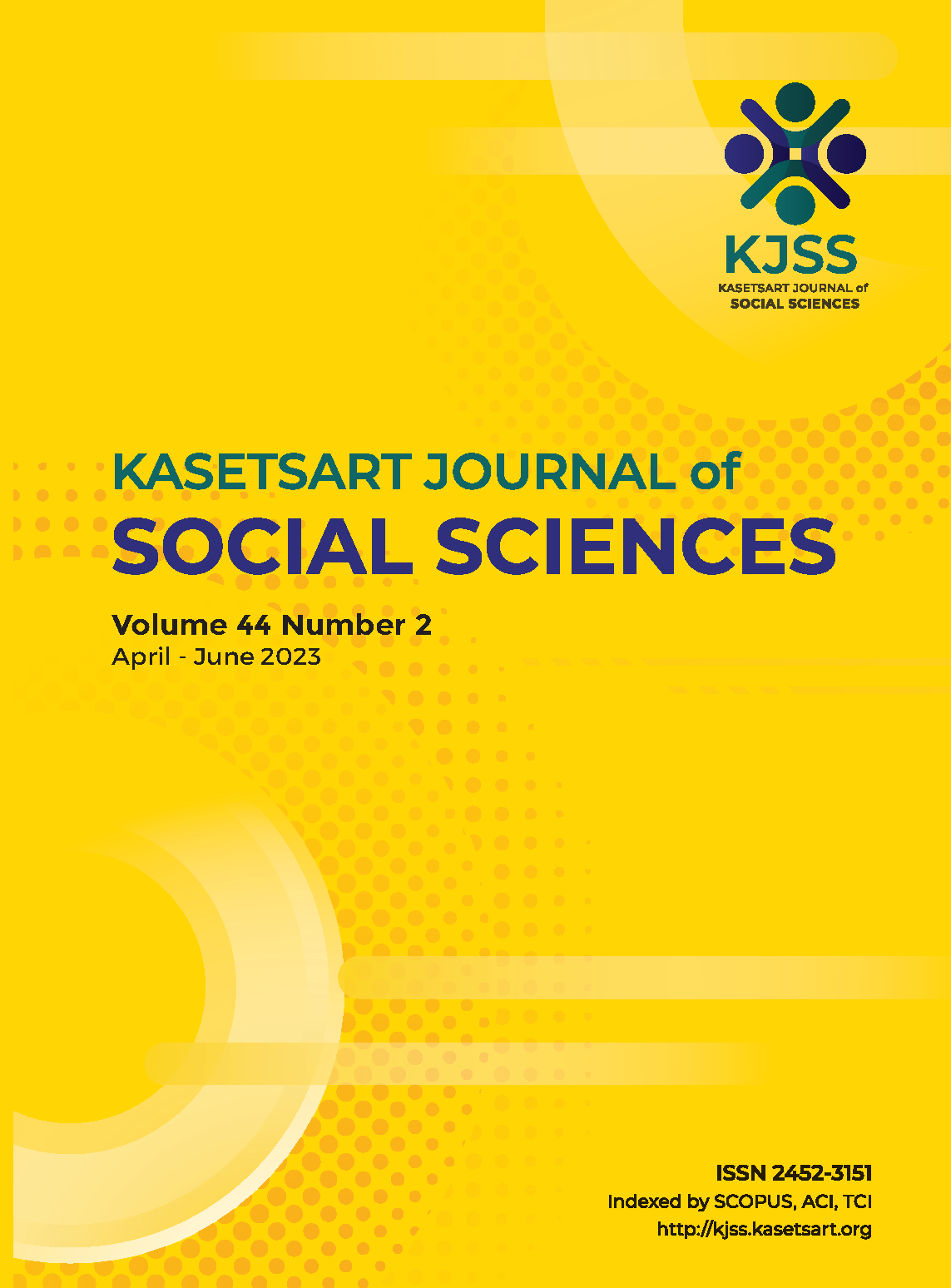 |
1. การศึกษาความชุกของภาวะซึมเศร้าในวัยรุ่นไทยแบบภาคตัดขวาง
ผู้แต่ง: Sopa Choychod, William W. Hale III, Jintana Sarayuthpitak และ Kamonwan Tangdhanakanond
ปีที่ตีพิมพ์: 2566 (2023)
แหล่งที่มา: Kasetsart Journal of Social Sciences, 44(2), 509–516
บทคัดย่อ:
การศึกษานี้มีวัตถุประสงค์เพื่อสำรวจความชุกของภาวะซึมเศร้าในวัยรุ่นไทย โดยเก็บข้อมูลจากวัยรุ่นอายุ 11–16 ปี จำนวน 4,089 คน ครอบคลุมทุกภูมิภาคของประเทศไทย เพื่อให้ข้อมูลสะท้อนสถานการณ์ในระดับประเทศ ผลการศึกษาพบว่า วัยรุ่นร้อยละ 72.2 มีอาการซึมเศร้าตั้งแต่ระดับเล็กน้อยขึ้นไป แบ่งเป็นระดับเล็กน้อยร้อยละ 44.5 และระดับปานกลางขึ้นไปร้อยละ 27.7 ปัจจัยที่สัมพันธ์กับภาวะซึมเศร้า ได้แก่ การเป็นเพศหญิง ผลการเรียนต่ำ รายได้ครอบครัวต่ำ การมีความคิดฆ่าตัวตาย และการเคยพยายามฆ่าตัวตาย ส่วนอายุไม่พบว่ามีความสัมพันธ์กับระดับภาวะซึมเศร้า ผลการศึกษาสะท้อนว่าอาการซึมเศร้าเป็นปัญหาที่พบได้ค่อนข้างมากในวัยรุ่นไทย จึงควรมีระบบคัดกรอง เฝ้าระวัง และช่วยเหลือวัยรุ่นอย่างต่อเนื่องทั้งในโรงเรียน ครอบครัว และระบบบริการสุขภาพจิต
ระเบียบวิธีวิจัย: การวิจัยเชิงสำรวจแบบภาคตัดขวาง
ลิงค์เพื่อศึกษาเพิ่มเติม:
|
|
|
|
|
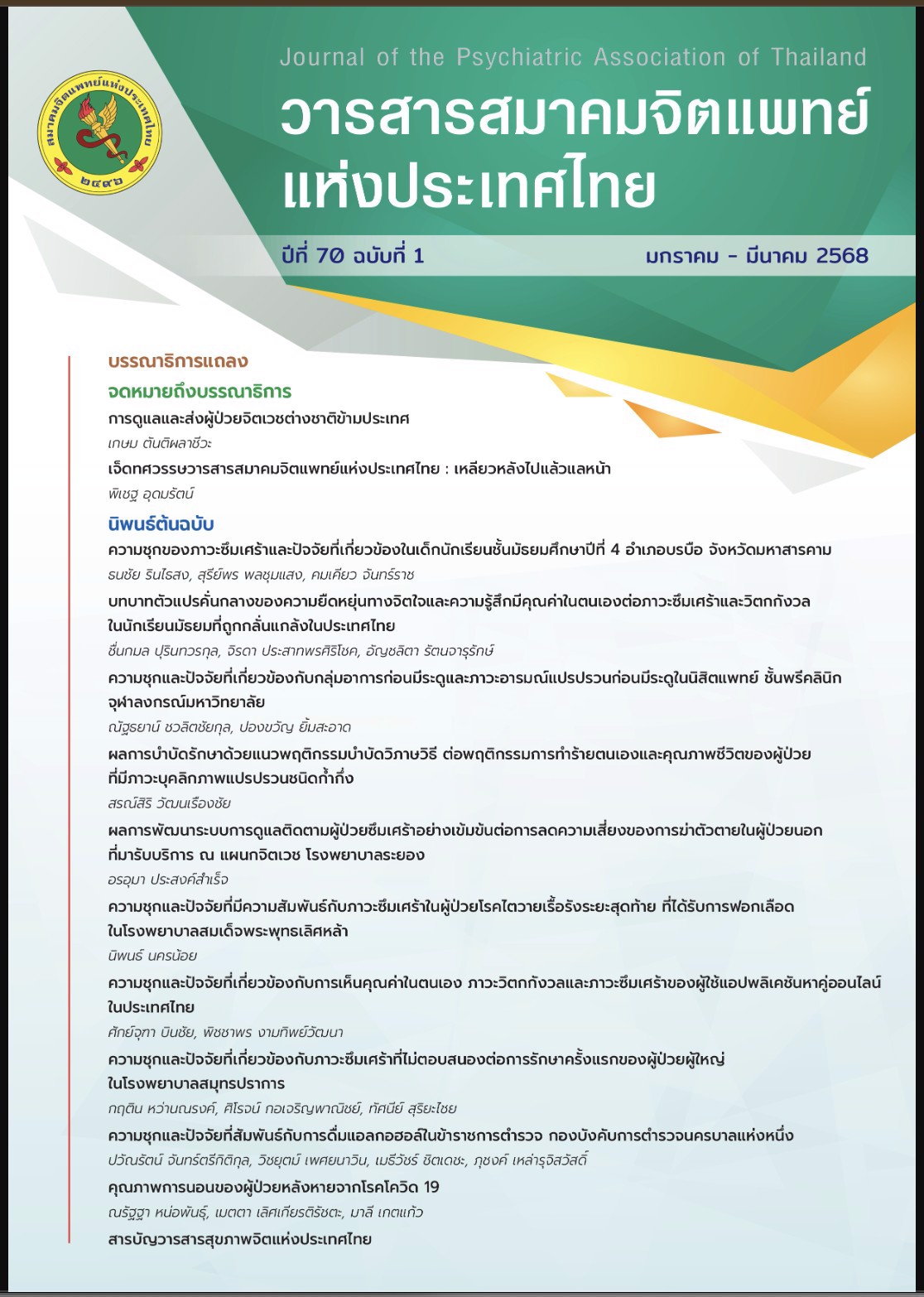 |
2. บทบาทตัวแปรส่งผ่านของความยืดหยุ่นทางจิตใจและการเห็นคุณค่าในตนเองต่อภาวะซึมเศร้าและความวิตกกังวลของนักเรียนที่ถูกกลั่นแกล้ง
ผู้แต่ง: Chuenkamon Purintaworagul, Jirada Prasartpornsirichoke และ Anchalita Ratanajaruraks
ปีที่ตีพิมพ์: 2568 (2025)
แหล่งที่มา: Journal of the Psychiatric Association of Thailand, 70(1), 19–31
บทคัดย่อ:
งานวิจัยนี้ศึกษาความสัมพันธ์ระหว่างการถูกกลั่นแกล้งในโรงเรียนกับภาวะซึมเศร้าและความวิตกกังวลในนักเรียนระดับมัธยมศึกษาตอนต้น รวมทั้งศึกษาว่าความยืดหยุ่นทางจิตใจและการเห็นคุณค่าในตนเองทำหน้าที่เป็นตัวแปรส่งผ่านความสัมพันธ์ดังกล่าวหรือไม่
ผลการศึกษาจากนักเรียนที่มีข้อมูลสมบูรณ์จำนวน 505 คน พบว่า ร้อยละ 28.9 มีภาวะซึมเศร้าระดับปานกลางถึงรุนแรง และร้อยละ 54.1 มีอาการวิตกกังวล การถูกกลั่นแกล้งส่งผลโดยตรงต่อทั้งภาวะซึมเศร้าและความวิตกกังวล และยังส่งผลทางอ้อมผ่านการเห็นคุณค่าในตนเอง กล่าวคือ นักเรียนที่ถูกกลั่นแกล้งอาจมีคุณค่าในตนเองลดลง และนำไปสู่ปัญหาสุขภาพจิตเพิ่มขึ้น อย่างไรก็ตาม งานวิจัยไม่พบว่าความยืดหยุ่นทางจิตใจเป็นตัวแปรส่งผ่านอย่างมีนัยสำคัญ ผู้วิจัยจึงเสนอให้โรงเรียนเน้นการป้องกันการกลั่นแกล้งควบคู่กับการส่งเสริมการเห็นคุณค่าในตนเองของนักเรียน
ระเบียบวิธีวิจัย: การวิจัยเชิงวิเคราะห์แบบภาคตัดขวาง
ลิงค์เพื่อศึกษาเพิ่มเติม:
https://he01.tci-thaijo.org/index.php/JPAT/article/view/275194 |
|
|
|
|
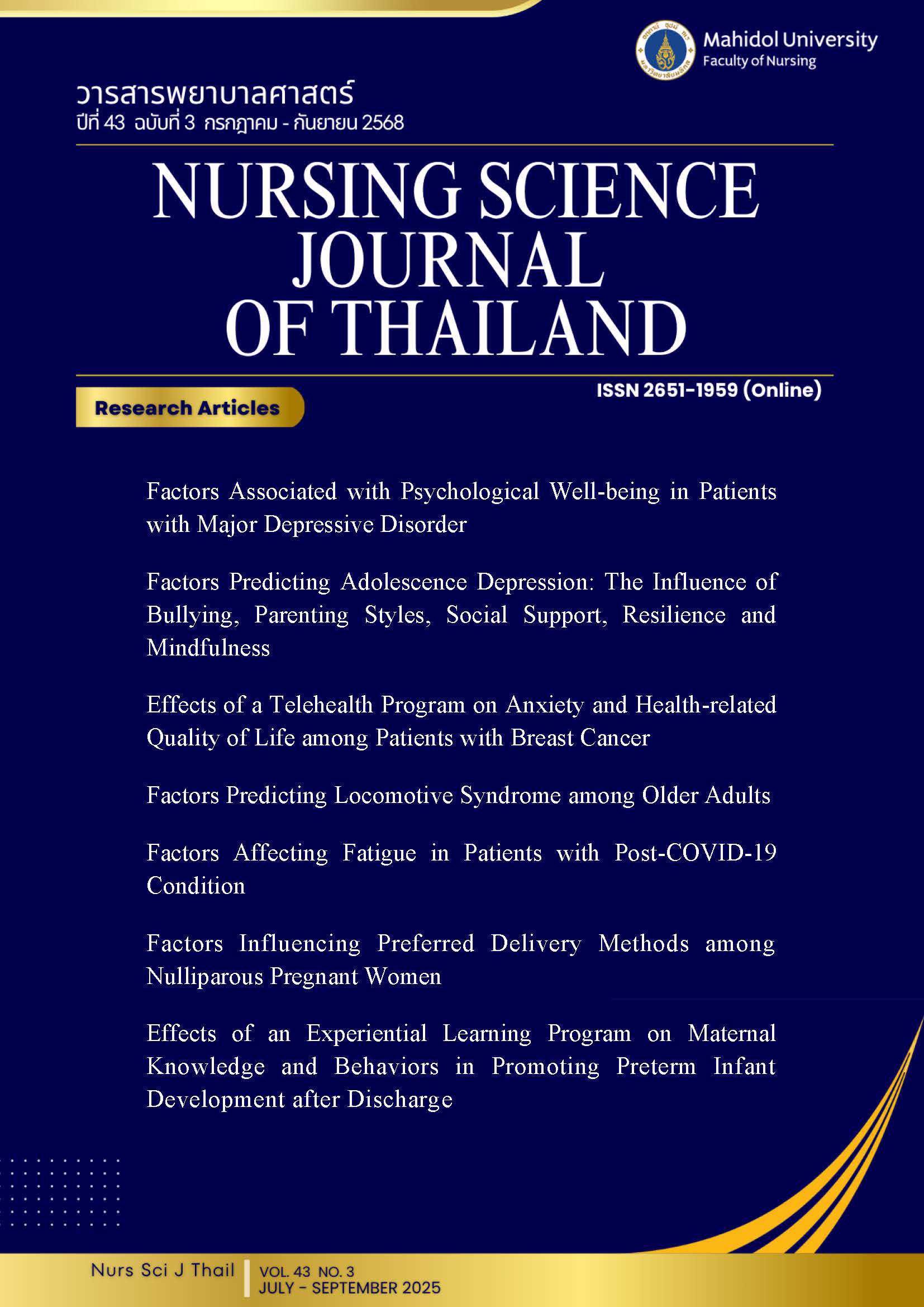 |
3. ปัจจัยทำนายภาวะซึมเศร้าในวัยรุ่น: อิทธิพลของการกลั่นแกล้ง รูปแบบการเลี้ยงดู
การสนับสนุนทางสังคม ความยืดหยุ่นทางจิตใจ และการมีสติ
ผู้แต่ง: Prairaya Jiratheerarat, Nopporn Vongsirimas, Wareerat Thanoi และ Sirada Kesornsri
ปีที่ตีพิมพ์: 2568 (2025)
แหล่งที่มา: Nursing Science Journal of Thailand, 43(3), 228–242
บทคัดย่อ:
การศึกษานี้มุ่งค้นหาปัจจัยที่สามารถทำนายอาการซึมเศร้าในวัยรุ่นตอนต้น โดยให้ความสำคัญกับทั้งปัจจัยเสี่ยงและปัจจัยปกป้อง ได้แก่ การกลั่นแกล้ง รูปแบบการเลี้ยงดูของผู้ปกครอง การสนับสนุนทางสังคม ความยืดหยุ่นทางจิตใจ และการมีสติ กลุ่มตัวอย่างเป็นนักเรียนมัธยมศึกษาตอนต้นในโรงเรียนรัฐบาล จังหวัดนครพนม
ผลการศึกษาพบว่า นักเรียนร้อยละ 28 มีอาการซึมเศร้า ปัจจัยที่สามารถทำนายภาวะซึมเศร้าได้อย่างมีนัยสำคัญ ได้แก่ การตกเป็นเหยื่อของการกลั่นแกล้ง การเป็นทั้งผู้กลั่นแกล้งและผู้ถูกกลั่นแกล้ง รูปแบบการเลี้ยงดูที่มีความเอาใจใส่ ความยืดหยุ่นทางจิตใจ และการมีสติ โดยการเลี้ยงดูอย่างเอาใจใส่ ความยืดหยุ่นทางจิตใจ และการมีสติเป็นปัจจัยที่ช่วยลดอาการซึมเศร้า ตัวแปรทั้งหมดสามารถร่วมกันอธิบายความแตกต่างของอาการซึมเศร้าได้ร้อยละ 56
งานวิจัยเสนอว่า การป้องกันภาวะซึมเศร้าในวัยรุ่นไม่ควรเน้นการคัดกรองอาการเพียงอย่างเดียว แต่ควรพัฒนาทักษะชีวิต ส่งเสริมการมีสติ ป้องกันการกลั่นแกล้งในโรงเรียน และสนับสนุนให้ผู้ปกครองใช้การเลี้ยงดูเด็กเชิงบวกและเอาใจใส่วัยรุ่นมากขึ้น
ระเบียบวิธีวิจัย: การวิจัยเชิงสหสัมพันธ์เพื่อการทำนาย
ลิงค์เพื่อศึกษาเพิ่มเติม:
|
|
|
|
|
|
4. ความชุกและปัจจัยที่เกี่ยวข้องกับ
ภาวะซึมเศร้าของนักเรียนระดับมัธยมศึกษา
ในอำเภอบรบือ จังหวัดมหาสารคาม
ผู้แต่ง: Tanachai Rinthaisong, Sureepon Polchumsang และ Komkiew Chanrat
ปีที่ตีพิมพ์: 2568 (2025)
แหล่งที่มา: Journal of the Psychiatric Association of Thailand, 70(1), 7–18
บทคัดย่อ:
การวิจัยนี้ศึกษาความชุก ปัจจัยที่เกี่ยวข้อง และปัจจัยทำนายภาวะซึมเศร้าในนักเรียนระดับมัธยมศึกษาปีที่ 4 ในอำเภอบรบือ จังหวัดมหาสารคาม ผลการศึกษาพบความชุกของภาวะซึมเศร้าร้อยละ 15.45 สะท้อนให้เห็นว่ามีนักเรียนส่วนหนึ่งที่ต้องการการคัดกรองและช่วยเหลือด้านสุขภาพจิตอย่างเหมาะสม
ปัจจัยส่วนบุคคลและประสบการณ์ชีวิตที่สัมพันธ์กับภาวะซึมเศร้า ได้แก่ เพศ ความพึงพอใจต่อรูปร่าง รายได้ของครอบครัว การใช้สารเสพติด การสูญเสียสิ่งสำคัญในชีวิต เหตุการณ์รุนแรงที่กระทบต่อชีวิต การถูกล่วงละเมิดทางเพศ การถูกทำร้ายร่างกาย ความคิดทำร้ายตนเอง และการเคยพยายามฆ่าตัวตาย นอกจากนี้ ความสัมพันธ์กับพ่อแม่ ผู้ปกครอง พี่น้อง และญาติยังมีความเกี่ยวข้องกับสุขภาพจิตของนักเรียนด้วย
ผู้วิจัยเสนอให้โรงเรียนพัฒนาระบบคัดกรองภาวะซึมเศร้าและความเสี่ยงต่อการฆ่าตัวตายอย่างจริงจัง พร้อมกำหนดแนวทางดูแลและส่งต่อนักเรียนไปยังหน่วยบริการสาธารณสุขในพื้นที่อย่างรวดเร็ว โดยเฉพาะนักเรียนที่มีปัญหาด้านจิตใจ ไม่พึงพอใจรูปร่าง หรือมีประสบการณ์ความรุนแรง
ระเบียบวิธีวิจัย: การวิจัยเชิงพรรณนาแบบภาคตัดขวาง
ลิงค์เพื่อศึกษาเพิ่มเติม:
https://he01.tci-thaijo.org/index.php/JPAT/article/view/272903 |
|
|
|
|
 |
5. ความชุกและรูปแบบการเปลี่ยนแปลงทางอารมณ์ของวัยรุ่นไทย: การสำรวจในสถานศึกษาเขตภาคกลาง
ผู้แต่ง: Suleemas Angsukiattitavorn, Acharaporn Seeherunwong, Rungnapa Panitrat และ Mathuros Tipayamongkholgul
ปีที่ตีพิมพ์: 2563 (2020)
แหล่งที่มา: BMC Psychiatry, 20, Article 191
บทคัดย่อ:
การศึกษานี้สำรวจความชุกและรูปแบบของอารมณ์แปรปรวนในวัยรุ่นและเยาวชนไทยที่กำลังศึกษาในโรงเรียนมัธยมศึกษาและสถาบันอาชีวศึกษาในกรุงเทพมหานครและจังหวัดภาคกลาง กลุ่มตัวอย่างจำนวน 2,598 คน ผลการศึกษาพบว่า ร้อยละ 26.4 มีอารมณ์แปรปรวน โดยพบสูงที่สุดในนักเรียนอาชีวศึกษาในกรุงเทพมหานคร ร้อยละ 37.1 อารมณ์แปรปรวนพบมากในกลุ่มที่เกี่ยวข้องกับการกลั่นแกล้ง ใช้สื่อสังคมออนไลน์อย่างมีปัญหา อยู่ในครอบครัวที่มีการแสดงอารมณ์รุนแรง เรียนในสายอาชีวศึกษา หรืออาศัยและศึกษาในพื้นที่เมือง นอกจากนี้ การใช้สารเสพติดยังสัมพันธ์กับอารมณ์แปรปรวน โดยเฉพาะการใช้กัญชาและเฮโรอีน
ปัจจัยที่สัมพันธ์กับอารมณ์แปรปรวนอย่างมีนัยสำคัญ ได้แก่ การเป็นเพศหญิง การมีบุคคลในครอบครัวที่มีประวัติปัญหาสุขภาพจิต การเกี่ยวข้องกับการกลั่นแกล้ง การใช้สื่อสังคมออนไลน์อย่างมีปัญหา บรรยากาศทางอารมณ์ที่รุนแรงภายในครอบครัว และบริบทของสถานศึกษากับพื้นที่อยู่อาศัย งานวิจัยเสนอให้เพิ่มความรู้เกี่ยวกับสัญญาณของอารมณ์แปรปรวนและพัฒนาระบบคัดกรองตั้งแต่ระยะแรก เพื่อลดโอกาสพัฒนาไปสู่ปัญหาสุขภาพจิตที่รุนแรงขึ้น
ระเบียบวิธีวิจัย: การวิจัยเชิงสำรวจในสถานศึกษาแบบภาคตัดขวาง
ลิงค์เพื่อศึกษาเพิ่มเติม:
|
|
|
|
|
1. มูลนิธิ PAM: รายงานผลแคมเปญ "Mama, How Are You?"
มูลนิธิ PAM (Perinatal Mental Health Alliance Thailand) เผยแพร่รายงานผลแคมเปญ "Mama, How Are You?" ซึ่งดำเนินการระหว่างวันที่ 8 มีนาคม–9 เมษายน 2569 เพื่อเปิดพื้นที่พูดคุยเรื่องสุขภาพจิตของแม่ช่วงตั้งครรภ์และหลังคลอด และลดการตีตรา ทั่วโลกมีแม่มากถึง 1 ใน 5 คนที่ประสบภาวะซึมเศร้าหรือวิตกกังวลหลังคลอด แต่ประเด็นนี้ยังถูกพูดถึงและได้รับการวินิจฉัยน้อยที่สุดประเด็นหนึ่งในการดูแลสุขภาพแม่
แคมเปญนำเสนอวิดีโอสั้นภาษาไทยที่ผลิตในประเทศ โดยแม่ชาวไทย 13 คน คุณพ่อ 1 คน และสูตินรีแพทย์ 1 คน มาเล่าประสบการณ์จริงหลังคลอดผ่าน Facebook, Instagram และ TikTok ทุกเรื่องเล่าชวนผู้ชมไปยังเว็บไซต์และ LINE Official Account ของ PAM Thailand เพื่อขอความช่วยเหลือ
ด้วยงบประมาณสื่อประมาณ 60,000 บาท แคมเปญมียอดการแสดงผล (impressions) มากกว่า 1.9 ล้านครั้ง และเข้าถึงผู้คนมากกว่า 1.3 ล้านคน มียอดชมที่นานอย่างน้อย 15 วินาทีมากกว่า 210,000 ครั้ง รวมเวลาการรับชมทั้งหมด 146 วัน รายงานแสดงให้เห็นว่าการเล่าเรื่องจริงเป็นภาษาไทยที่เริ่มจากชุมชน สามารถเข้าถึงผู้คนจำนวนมากได้ด้วยต้นทุนต่ำ
ทำไมเรื่องนี้จึงสำคัญ: สุขภาพจิตของพ่อแม่เชื่อมโยงอย่างใกล้ชิดกับสุขภาวะของเด็กและคุณภาพการดูแลที่เด็กได้รับ การส่งเสริมสุขภาพจิตที่ดีช่วงตั้งครรภ์และหลังคลอดจึงเป็นส่วนสำคัญของระบบสนับสนุนพ่อแม่ผู้ปกครอง

ศึกษาข้อมูลเพิ่มเติมได้ที่นี้
📖 https://www.pamthailand.org/en/mhay |
|
|---|
|
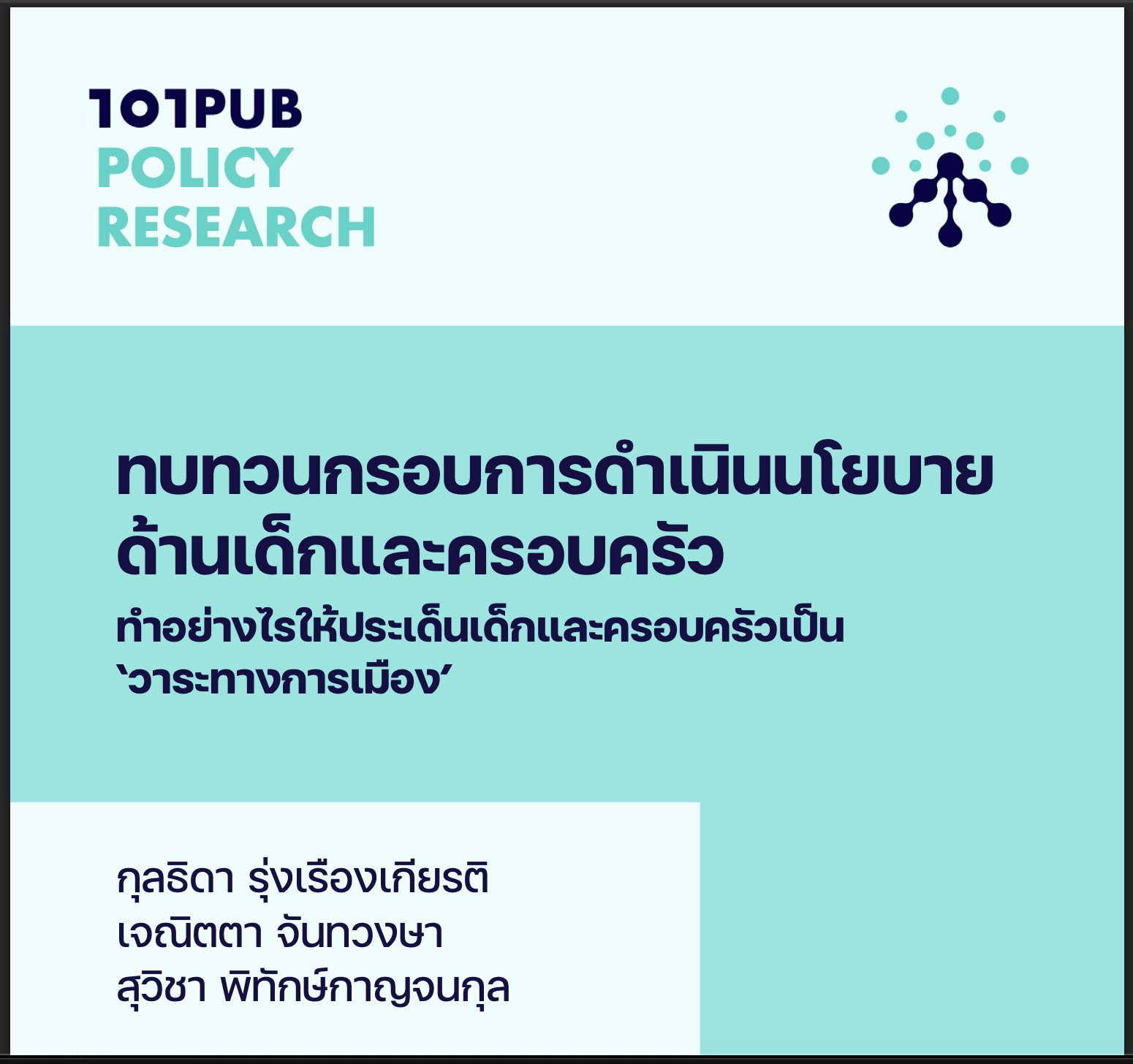
2. 101 PUB และคิด for คิดส์: ทบทวนกรอบการดำเนินนโยบายด้านเด็กและครอบครัว ทำอย่างไรให้ประเด็นเด็กและครอบครัวเป็น 'วาระทางการเมือง'
เมื่อเดือนกันยายน 2569 101 Public Policy Think Tank (101 PUB) เผยแพร่รายงานวิจัยฉบับสมบูรณ์ โดยกุลธิดา รุ่งเรืองเกียรติ เจณิตตา จันทวงษา และสุวิชา พิทักษ์กาญจนกุล ภายใต้โครงการศูนย์ความรู้นโยบายเด็กและครอบครัว (คิด for คิดส์) โดยการสนับสนุนของ สสส. รายงานใช้การทบทวนเอกสารและการสัมภาษณ์เชิงลึกกับข้าราชการ ท้องถิ่น นักวิชาการ พรรคการเมือง องค์กรด้านเด็กและครอบครัว และเยาวชน เพื่อตอบคำถามว่าเหตุใดข้อเสนอด้านเด็กและครอบครัวจึงขับเคลื่อนได้ยากในประเทศไทย
รายงานชี้ว่าโจทย์ใหม่อย่างวิกฤตโลกรวน ความขัดแย้ง AI และสังคมสูงวัย ปรากฏเป็นวิกฤตสุขภาวะของเด็กแล้วในวันนี้ ผู้เข้ารับการรักษาด้านสุขภาพจิตเพิ่มจาก 3.3 ล้านคนในปี 2565 เป็น 4.4 ล้านคนในปี 2567 ขณะที่ประเทศไทยมีจิตแพทย์เด็กและวัยรุ่นเพียง 295 คน และ 18 จังหวัดไม่มีเลย เมื่อวิเคราะห์ผ่านกรอบ COM-B พบว่าภารกิจด้านเด็กกระจายอยู่อย่างน้อย 4 กระทรวงโดยไม่มีเจ้าภาพ ประเด็นเด็กยังไม่เป็นวาระเลือกตั้ง และระบบพิสูจน์ความจนทำให้เด็กกว่า 433,245 คนตกหล่นจากเงินอุดหนุน ข้อจำกัดเหล่านี้เสริมแรงกันจนระบบติดอยู่ใน "จุดสมดุลของความคาดหวังที่ต่ำ"
ข้อเสนอสำคัญ ได้แก่ นักสังคมสงเคราะห์เด็กและครอบครัวในทุก อปท.
ระบบเชื่อมโยงข้อมูลเด็กระดับชาติ (Child Data Spine)
จิตแพทย์เด็กทุกจังหวัดภายใน 5 ปี
สำนักงานคณะกรรมการเด็กและครอบครัวแห่งชาติภายใต้สำนักนายกรัฐมนตรี
งบเด็กขั้นต่ำร้อยละ 2 ของงบประมาณแผ่นดิน
การประเมินผลกระทบต่อเด็กในทุกร่างกฎหมายและร่าง พ.ร.บ.
งบประมาณ เงินอุดหนุนเด็กแรกเกิดถ้วนหน้า และสิทธิลาคลอด 180 วันแบบได้รับค่าจ้าง
ทำไมเรื่องนี้จึงสำคัญ: รายงานย้ำว่าการสนับสนุนครอบครัวไม่อาจปล่อยให้เป็นภาระของแต่ละบ้าน แต่ต้องอาศัยระบบที่เข้มแข็ง การลงทุนอย่างต่อเนื่อง และกลไกในระดับพื้นที่ เพื่อให้การสนับสนุนพ่อแม่ผู้ปกครองเข้าถึงทุกครอบครัว
ศึกษาข้อมูลเพิ่มเติมได้ที่นี้
https://101pub.org/wp-content/uploads/2026/09/101PUB_2026_ทบทวนกรอบการดำเนินนโยบายด้านเด็กและครอบครัว_รายงานวิจัยฉบับสมบูรณ์-3.pdf |
|
|---|
|
งานสัมมนาของชุมชนผู้ปฏิบัติงาน
ด้านการเลี้ยงดูเด็กเชิงบวกในประเทศไทย (TPP CoP) ที่ผ่านมา
|
|
|
|
|
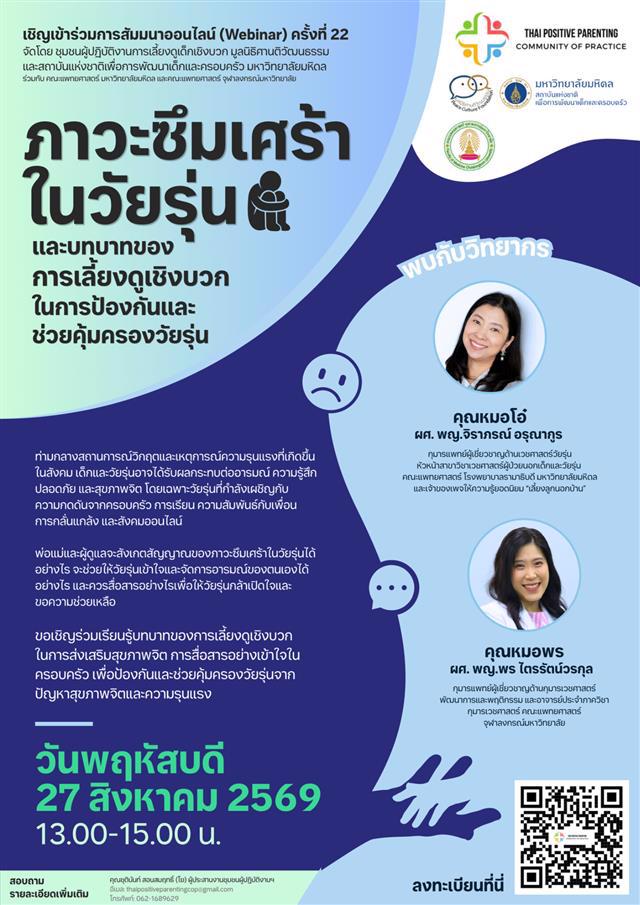 |
Webinar ครั้งที่ 22 — ภาวะซึมเศร้าในวัยรุ่น และบทบาทของการเลี้ยงดูเด็กเชิงบวกในการป้องกันและคุ้มครองวัยรุ่น
จัดโดย: ชุมชนผู้ปฏิบัติงานด้านการเลี้ยงดูเด็กเชิงบวกในประเทศไทย
วันที่: วันพฤหัสบดีที่ 27 สิงหาคม 2569 | เวลา 13.00–15.00 น. | ออนไลน์
ท่ามกลางวิกฤตและเหตุการณ์ความรุนแรงในสังคม เด็กและวัยรุ่นอาจได้รับผลกระทบทั้งด้านอารมณ์ ความรู้สึกปลอดภัย และสุขภาพจิต โดยเฉพาะวัยรุ่นที่เผชิญแรงกดดันจากครอบครัว โรงเรียน ความสัมพันธ์กับเพื่อน การกลั่นแกล้ง และสื่อสังคมออนไลน์ Webinar ครั้งนี้เชิญชวนพ่อแม่ ผู้ดูแล ครู และผู้ทำงานกับเด็กและครอบครัว มาเรียนรู้ว่าการเลี้ยงดูเด็กเชิงบวกช่วยป้องกันภาวะซึมเศร้าและคุ้มครองวัยรุ่นได้อย่างไร
วิทยากร:
1. ผศ.พญ.จิราภรณ์ อรุณากูร (หมอโอ๋) — แพทย์เวชศาสตร์วัยรุ่น หัวหน้าสาขาวิชากุมารเวชศาสตร์ผู้ป่วยนอกและเวชศาสตร์วัยรุ่น คณะแพทยศาสตร์โรงพยาบาลรามาธิบดี มหาวิทยาลัยมหิดล และผู้ก่อตั้งเพจ "เลี้ยงลูกนอกบ้าน"
2. ผศ.พญ.พร ไตรรัตน์วรกุล (หมอพร) — กุมารแพทย์พัฒนาการและพฤติกรรม ภาควิชากุมารเวชศาสตร์ คณะแพทยศาสตร์ จุฬาลงกรณ์มหาวิทยาลัย
สไลด์วิทยากรและคลิปบันทึก Webinar: TPP-CoP website (Webinar #22)
|
|
|
|
|
1. การประชุมระดับรัฐมนตรีโลกว่าด้วยการยุติความรุนแรงต่อเด็ก ครั้งที่ 2
กรุงมะนิลา 18–19 พฤศจิกายน 2569
รัฐบาลฟิลิปปินส์ ร่วมกับองค์การอนามัยโลกและยูนิเซฟ และผู้แทนพิเศษของเลขาธิการสหประชาชาติด้านความรุนแรงต่อเด็ก จะเป็นเจ้าภาพการประชุมระดับรัฐมนตรีโลกว่าด้วยการยุติความรุนแรงต่อเด็ก ครั้งที่ 2 ณ กรุงมะนิลา วันที่ 18–19 พฤศจิกายน 2569 โดยสองวันก่อนการประชุม (16–17 พฤศจิกายน) เป็นกิจกรรมคู่ขนาน (satellite events) ที่จัดโดยภาคีต่าง ๆ
ต่อยอดจากการประชุมครั้งแรกที่กรุงโบโกตาในปี 2567 ซึ่งประเทศสมาชิก 109 ประเทศให้คำมั่นเกือบ 400 ข้อ การประชุมที่มะนิลาจะเน้นการป้องกันเป็นอันดับแรก และให้ความสำคัญกับแนวทางที่พิสูจน์แล้วว่าได้ผล 3 ด้าน ได้แก่ การสนับสนุนพ่อแม่และผู้ดูแล โรงเรียนที่ปลอดภัยและเอื้อต่อการเรียนรู้ และระบบการตอบสนองต่อความรุนแรง รวมถึงให้ความสำคัญมากขึ้นกับความรุนแรงที่เกิดผ่านเทคโนโลยี การป้องกันในบริบทวิกฤตด้านมนุษยธรรมและสภาพภูมิอากาศ และความเชื่อมโยงระหว่างความรุนแรงต่อเด็กกับความรุนแรงต่อผู้หญิง
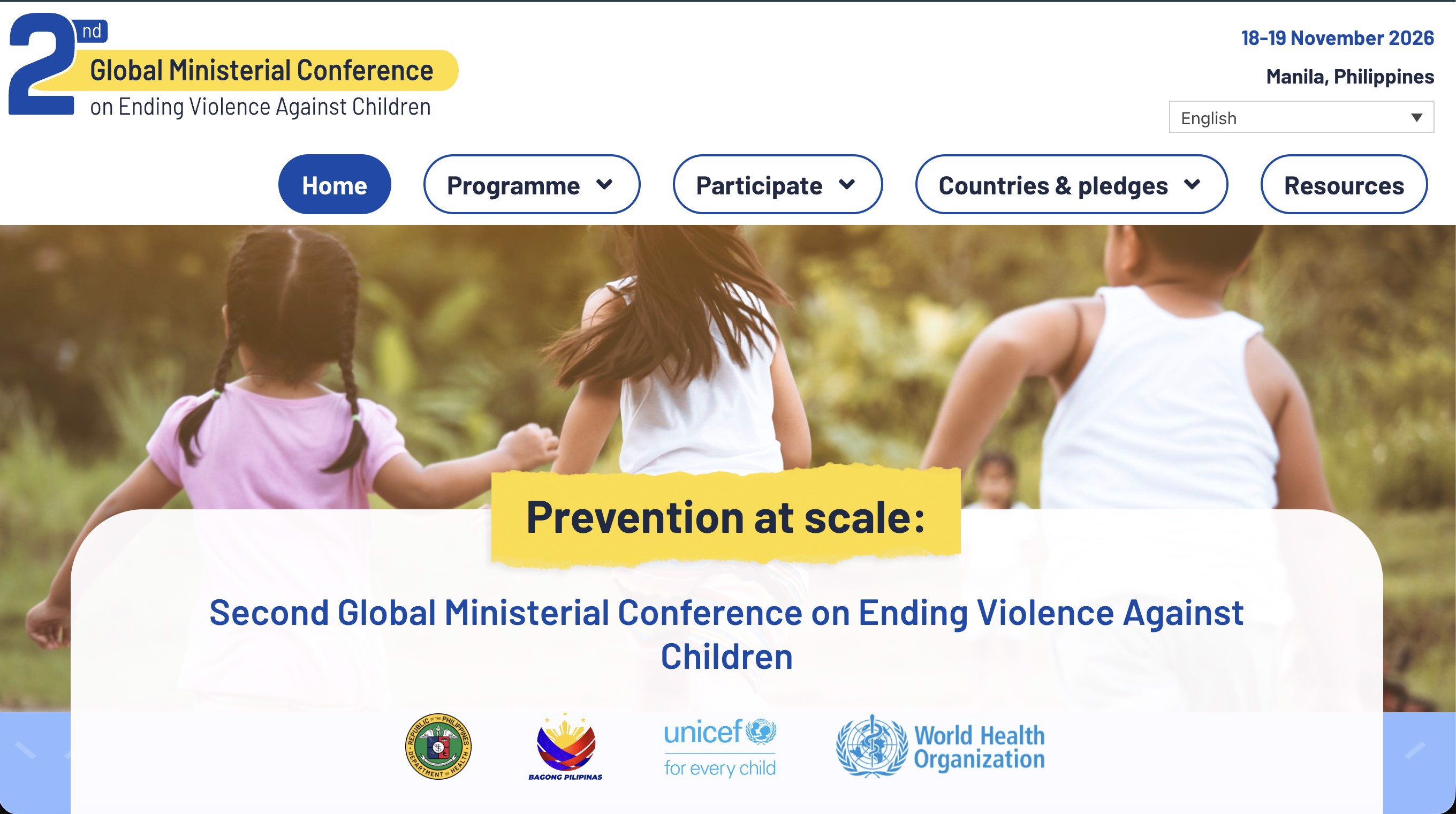
ศึกษาข้อมูลเพิ่มเติมและลงทะเบียนได้ที่นี้
https://manila.endviolenceagainstchildrenconference.org/ |
|
|---|
|
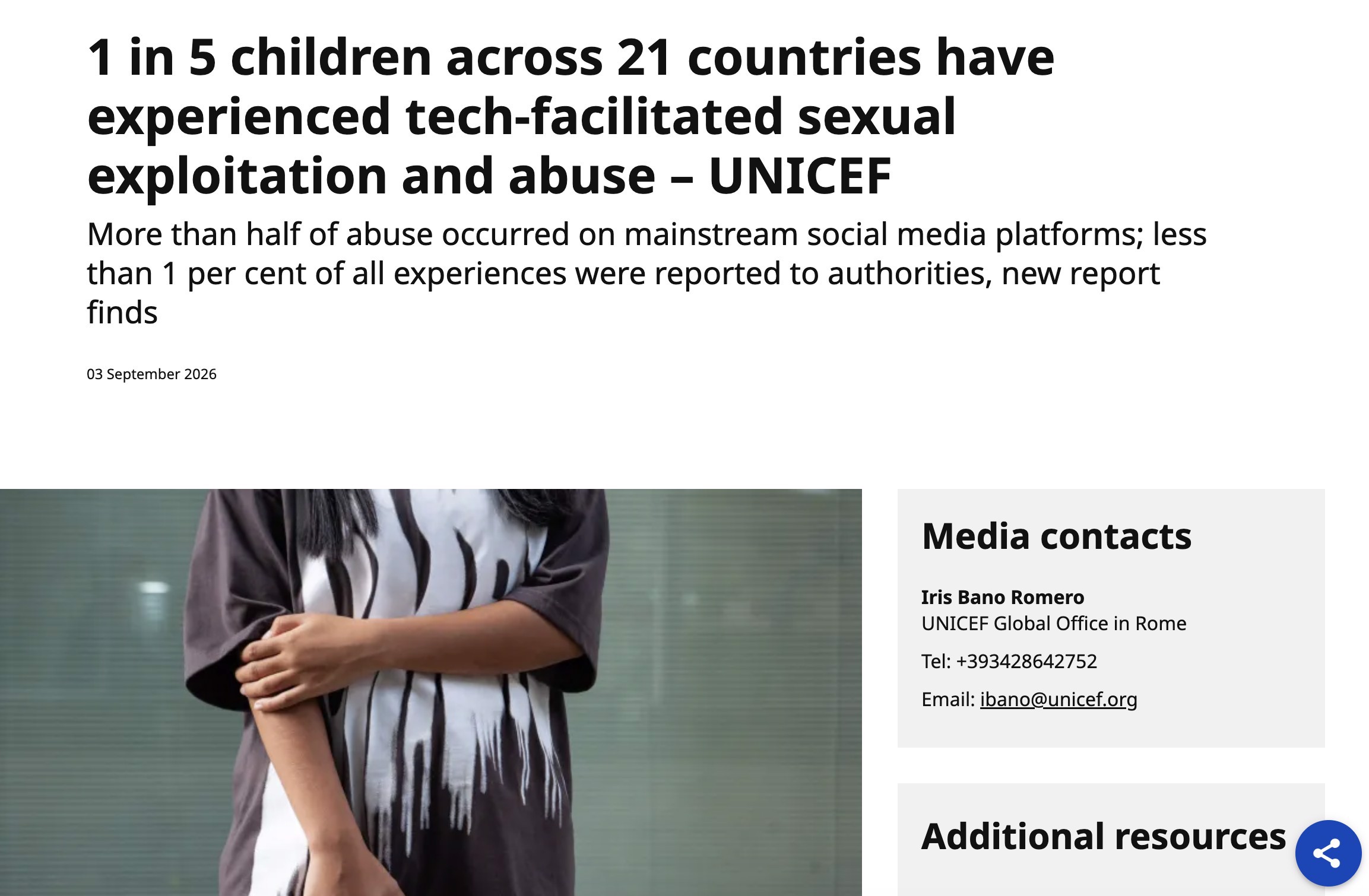
2. ยูนิเซฟ: เด็ก 1 ใน 5 คนใน 21 ประเทศเคยถูกแสวงประโยชน์
และล่วงละเมิดทางเพศผ่านเทคโนโลยี
เมื่อวันที่ 3 กันยายน 2569 ยูนิเซฟเผยแพร่ข้อมูลใหม่ที่พบว่า เด็ก 1 ใน 5 คนใน 21 ประเทศเคยถูกแสวงประโยชน์และล่วงละเมิดทางเพศผ่านเทคโนโลยี ซึ่งตอกย้ำความจำเป็นเร่งด่วนที่รัฐบาล บริษัทเทคโนโลยี และผู้เกี่ยวข้องต้องร่วมกันคุ้มครองเด็กในยุคดิจิทัลให้ดีขึ้น
ยูนิเซฟเรียกร้องให้แพลตฟอร์มดิจิทัลออกแบบให้ปลอดภัยตั้งแต่ต้น มีกฎหมายและกลไกความรับผิดชอบที่เข้มแข็งขึ้นเพื่อรับมือการล่วงละเมิดรูปแบบใหม่ เช่น การกรรโชกทางเพศ และสื่อล่วงละเมิดที่สร้างด้วย AI รวมถึงระบบรับแจ้งเหตุและช่วยเหลือที่เด็กไว้วางใจได้ และย้ำว่าภาระการปกป้องไม่ควรตกอยู่กับเด็ก ครอบครัว โรงเรียน และชุมชนควรตอบสนองอย่างเป็นที่พึ่งเมื่อเด็กเปิดเผยเรื่องราว ขณะที่การสนับสนุนครอบครัว การขยายโอกาสทางการศึกษาและการจ้างงาน และการเปลี่ยนบรรทัดฐานทางสังคมและเพศที่เป็นอันตราย จะช่วยลดความเปราะบางของเด็กได้
ทำไมเรื่องนี้จึงสำคัญ: พ่อแม่และผู้ดูแลมีบทบาทสำคัญในการช่วยให้เด็กมีทักษะความปลอดภัยออนไลน์ และในการสร้างความสัมพันธ์ที่ไว้วางใจกัน เพื่อให้เด็กกล้าเล่าเมื่อเกิดปัญหาในโลกออนไลน์ การช่วยให้พ่อแม่ตอบสนองอย่างใจเย็นและเป็นที่พึ่งได้เมื่อเด็กเล่าว่าถูกล่วงละเมิด จึงเป็นส่วนสำคัญของการปกป้องเด็กทั้งในโลกออนไลน์และออฟไลน์
ศึกษาข้อมูลเพิ่มเติม:
 |
|
|---|
|
จดหมายข่าวฉบับนี้เป็นจดหมายข่าว ฉบับที่ 15 และเป็นฉบับที่3 ของปี 2569
เผยแพร่เดือนกันยายน และทั้งนี้จดหมายข่าวฉบับต่อไป จะเผยแพร่ต่อไปในเดือนธันวาคม 2569
หากท่านต้องการลงข้อมูลงานวิจัย กิจกรรมขององค์กร งานประชุมสัมมนา ฯลฯ ในจดหมายข่าวนี้
โปรดส่งข้อมูลมายังผู้ประสานงานโครงการ ฯ คุณชุตินันท์ สอนสมฤทธิ์
ที่อีเมล thaipositiveparentingcop@gmail.com
ขอขอบพระคุณทุกท่านสำหรับการติดตามงานความเคลื่อนไหวการทำงานของเรา
มูลนิธิศานติวัฒนธรรม |
|
|
- The 2nd Thai Positive Parenting Community of Practice Conference: "Building Thailand's Positive Parenting Support System: From Evidence to National Policy & Practice", 15 October 2026. Registration now open
- Webinar #22: "Adolescent Depression and the Role of Positive Parenting in Prevention and Protection", with more than 300 participants. Recording available
- Articles & Research Highlights: Adolescent Mental Health in Thailand: five studies on depression, anxiety, bullying and mood instability among Thai students
- Draft Protection of Victims of Domestic Violence Act: accepted in principle by the House of Representatives at first reading, 434 votes to 0
- 101 PUB report "Rethinking the Child and Family Policy Framework": a call to make children and families a political agenda, with at least 2% of the national budget allocated to children.
|
|
|---|
|
|
|
Message from the Co-Chairs
|
|
|---|
|
Dear CoP Members and Newsletter Readers,
Welcome to Issue 15 of our quarterly newsletter for July–September 2026. This quarter, the Thai Positive Parenting Community of Practice (CoP) turned its attention to a concern shared by many of our members: the mental health of adolescents. The school shooting in Nonthaburi on 7 August 2026, carried out by a 14-year-old student, led to nationwide calls for a stronger focus on improving adolescent mental health. Our 22nd webinar, held on 27 August 2026 and attended by 300 participants, one of the highest attendances of any CoP webinar so far, brought together two leading paediatricians to discuss adolescent depression and the role positive parenting can play in preventing it and protecting young people. In this issue, our research highlights also focus on adolescent mental health in Thailand, drawing together six studies on depression, anxiety, bullying and mood instability among Thai students, and our Reports & Guidance section features a new policy report on how to make children and families a national political priority.
The past three months have also seen important national discussions on the future of Thai children and families. Parliament convened a national forum on the country's low birth rate and the quality of care for mothers and children, and civil society and government partners came together to call for earlier recognition of warning signs and stronger links between families, schools and communities. These conversations reflect what our members see every day in their work: that children thrive when the adults around them are supported, and that parenting support is a foundation for a safer and healthier society.
We are now preparing for the 2nd in-person Thai Positive Parenting Community of Practice Conference, to be held on Thursday, 15 October 2026 in Bangkok in collaboration with the Department of Mental Health, the Rajanagarindra Institute of Child Development, WHO Thailand and UNICEF Thailand, under the theme "Building Thailand's Positive Parenting Support System: From Evidence to National Policy & Practice." We warmly invite all members to join us, share their experiences and help shape the next steps of our community. Register here: https://forms.gle/GrY1vS7cwwaVjbxn6
We are deeply grateful to all members who continue to contribute knowledge, experience and encouragement to the CoP. We invite everyone to share information, tools, research or activities that would benefit the community. You may contact Chutinan (Yo) Sornsomrit, CoP Coordinator, at thaipositiveparentingcop@gmail.com, and follow news and discussions on the CoP Facebook Page.
We wish you all joy and fulfilment in your work, and we look forward to seeing you soon at the Conference!
With warm regards,
Asst. Prof. Dr. Sombat Tapanya
Dr. Amalee McCoy
Asst. Prof. Dr. Panadda Thanasettakorn
Asst. Prof. Dr. Jiraporn Arunakul
|
|
|---|
|
|
|
|---|
|
|
In each issue, we would like to introduce a few organizations working in the area of positive parenting in Thailand, which would provide networking and knowledge exchange opportunities. In this issue, we would like to introduce: |
|
|---|
|
1. Let's Play More Network (เครือข่ายเล่นเปลี่ยนโลก)
The Let's Play More Network (เครือข่ายเล่นเปลี่ยนโลก) is a coalition of organizations and groups working with children, youth, families and communities, including public-benefit and non-profit organizations, that has been working together since late 2019. Its members include the Foundation for Child Development, the Foundation for Youth Development, the Mai Keed Fai (Matchstick) Group, the We Are Happy group, and Rong Len – Playable Museum, with the network coordinated by the Foundation for Children and Youth Media.
The network promotes free play as a foundation for children's development, learning, life skills and family bonds. It has worked with the Department of Health, Ministry of Public Health, and the Thai Health Promotion Foundation to develop early childhood development centres and communities as model "Play Changes the World" spaces, and during the COVID-19 pandemic it spoke up for young children's learning beyond screens.
|
|
|
Together with ThaiHealth and the Bangkok Metropolitan Administration, the network also organizes the annual "Let's Play Festival," which opens up a public space in the heart of Bangkok for children and families to play freely.
Please visit;
http://www.letsplaymore.org
https://playworker.org
|
|
|---|
|
|
2. Policy Research and Development Institute Foundation (PRI)
The Policy Research and Development Institute Foundation (PRI) specialises in policy and action research, monitoring and evaluation, and learning facilitation and training, working with international organisations such as Family Health International (FHI) and national agencies including the Department of Disease Control, the Health Systems Research Institute (HSRI), the Thai Health Promotion Foundation (ThaiHealth), the Equitable Education Fund (EEF) and the Bangkok Metropolitan Administration's Health Department. In the area of children and families, PRI has developed the "Complementary Child Protection Network System" (2024), which aims to connect local mechanisms and partners to work together in caring for and protecting children more comprehensively.
|
|
|
|
|---|
|
|
1. Parliament Holds National Forum on the Low Fertility Rate
and Signs MOU to Support Quality Birth and Child Development
|
|
|---|
|
On 15 September 2026, the House of Representatives held a national forum on the theme "Low Births, Low Quality" (วิกฤตเกิดน้อยด้อยคุณภาพ) at the Parliament building, under its "House of Representatives Meets the People" programme. The forum was organized due to Thailand’s present rapid demographic shift, with the total fertility rate falling to only 1.0 child per woman — well below replacement levels.
One week earlier, on 8 September 2026, the Speaker of the House presided over the signing of a Memorandum of Understanding to promote births and the quality growth and development of children and youth. The MOU brings together the Secretariat of the House of Representatives and five ministries — Public Health; Social Development and Human Security; Higher Education, Science, Research and Innovation; Interior; and Education — together with the private sector and organizations working with children, youth, women and families.
A key session of the forum, "Protecting Mothers and Children through Law: What Thailand Must Do Next," reviewed protections across three stages: before and during pregnancy, from birth to age three, and ages three to five. Participants noted that while Thailand already has laws and measures to protect mothers and children, gaps remain, particularly in protecting children from harmful food and beverage marketing, digital threats, violence, and other risks. Representatives from UNICEF, WHO, the National Health Assembly and legal experts also debated priority proposals. The results will be presented to the plenary and compiled into a White Paper.
Key issue: Addressing the low birth rate is not only about the number of children born, but about ensuring that every child grows up with nurturing care and protection — which makes parenting support central to the national agenda.
For more information: https://www.parliament.go.th/view/7/TH-TH
|
|
2. House of Representatives Accepts in Principle the Draft Act on the Protection of Victims of Domestic Violence
|
|
|---|
|
On 23 September 2026, the House of Representatives voted to accept in principle, at first reading, the Cabinet's draft Protection of Victims of Domestic Violence Act, with 434 votes in favour, none against, one abstention and four not voting. A House committee will now be set up to consider the bill in detail.
The Cabinet approved the draft on 25 August 2026 as an overhaul of the 2007 Act, aiming to close legal gaps, speed up protection for victims and improve coordination among agencies. Key changes include broadening the definition of "violence" to cover psychological and economic abuse; expanding "family members" to include former spouses and people living in the same household; empowering officials to issue immediate orders keeping perpetrators away from victims; replacing mediation with behaviour-change plans; and making domestic violence a criminal offence that cannot be settled out of court, with heavier penalties.
The House debated the Cabinet draft together with drafts proposed by MPs from several parties and a people's draft backed by 23,989 eligible voters, submitted by the Thailand Network against Gender-Based Violence, a coalition of 15 civil society organizations. During the debate, MPs raised issues including prevention before violence occurs, protection of victims and children, access to help, clear definitions, inter-agency coordination, data linkage, and new forms of violence in the digital age.
Why it matters: Children are often both witnesses and victims of violence at home. A stronger, prevention-oriented protection system is an important complement to parenting support in keeping children safe from harm.
For more information:
https://www.matichon.co.th/local/news_5902366
https://theactive.thaipbs.or.th/news/law-rights-20260918-2
https://www.hfocus.org/content/2026/09/39582
|
|
3. NHRCT Public Forum on the Impact of Institutional Care on Children
|
|
|---|
|
On 26 August 2026, the Office of the National Human Rights Commission of Thailand (NHRCT) held a public forum in Bangkok to raise awareness of the impact of caring for children in government and private residential care institutions. The forum was co-organized with the Ministry of Social Development and Human Security (MSDHS), the Faculty of Social Sciences and Humanities at Mahidol University, UNICEF Thailand and the Alternative Care Thailand (ACT) network, as part of monitoring the implementation of NHRCT's recommendations.
The Director-General of the Department of Children and Youth reported that the National Child Protection Committee approved guidelines for private childcare institutions in September 2025, now being piloted in Chiang Mai, Chiang Rai, Tak and Kanchanaburi so that children can grow up in families or family-like environments. The Minister of Social Development and Human Security delivered a keynote on the Ministry's policy direction, and the UNICEF Thailand Representative spoke on the UN Guidelines for the Alternative Care of Children.
In the first panel, "The Impact of Raising Children in Institutions," Asst. Prof. Dr. Sombat Tapanya, NHRCT child rights expert, Chairman of the Peace Culture Foundation and Co-Chair of the TPP-CoP, joined a Thammasat University child protection specialist and a PhD student who grew up in an institution. Panellists highlighted problems in institutional care, including harsh treatment, physical, verbal and emotional violence, neglect and exploitation; a "charity" mindset among some institution managers; staff's limited understanding of child development and trauma-informed care; attachment difficulties; loss of identity and family ties; and long-term effects on children's mental health. They recommended training for institution managers and staff, regular monitoring and evaluation, and a shift from institutional care to family-based alternative care.
Later sessions shared practical models, including district-level gatekeeping to prevent unnecessary placement of children in institutions (Sangkhla Buri, Kanchanaburi), work with families and communities to shorten stays and support foster and kinship care (Khon Kaen), and private institutions transitioning towards family-like care.
Why it matters: Every child has the right to grow up in a safe and caring family environment. Strengthening families — including through parenting support — is central to preventing unnecessary separation of children from their families, as well as bolstering parental skills in developing close parent-child relationships.
For more information; https://www.prd.go.th/th/content/category/detail/id/33/iid/535672
|
|
|---|
|
4. Kid for Kids (ThaiHealth x 101 PUB) Research Roundup 2026: "Changing Children, Unsettled Homes, Ailing World"
|
|
|---|
|
On 18 September 2026, Kid for Kids – the Child and Family Policy Knowledge Centre, a collaboration between the Thai Health Promotion Foundation (ThaiHealth) and 101 Public Policy Think Tank (101 PUB), held the public forum "Research Roundup 2026" at ThaiHealth Academy in Bangkok, launching three new research studies on how Thai child and family policy must adapt in an uncertain world.
Chatr Kamsaeng, Director of 101 PUB, noted that children today are growing up in a world that will never return to what it was, shaped by the climate crisis, new ideas of family and many systemic problems. Leaving child-rearing solely to individual families is therefore no longer enough.
Rethinking the child and family policy framework (Kunthida Rungruengkiat and colleagues): see the summary of this report in the Reports & Guidance section of this issue.
Thai family dynamics in contemporary society (Asst. Prof. Dr. Chantanee Charoensri, Thammasat University): a survey and focus groups with 466 people found that definitions of family are becoming more diverse, especially among Generations Y and Z. The study recommends shifting from promoting a fixed "family institution" to supporting care infrastructure, such as legal recognition of chosen families, caregiver allowances and tax credits based on actual care, and leave to care for family members.
For more information;
https://www.the101.world/research-roundup-2026/
https://kidforkids.org
https://theactive.thaipbs.or.th/news/climate-change-20260918
|
|
|---|
|
5. New ThaiHealth-Supported Research: Challenges for Thai Children and Youth Growing Up amid the Climate Crisis
|
|
|---|
|
Also presented at Research Roundup 2026, this Kid for Kids study by Rapeepat Ingkasit of the Climate Finance Network Thailand (CFNT) examines how the climate crisis affects Thai children and youth. Thailand is among the countries most affected by climate change, and children are especially vulnerable because their bodies are still developing.
The study warns that a single disaster can trap families in intergenerational poverty: lower household income leads families to cut the quality or quantity of food, harming children's health and learning; these children later earn less and are less able to adapt, and the cycle repeats when their own children face disasters. Although children and youth will bear the long-term costs of the climate crisis, Thailand still lacks a clear adaptation plan that addresses them.
Policy recommendations include adding children's rights to climate legislation and child and youth targets to Thailand's Nationally Determined Contribution (NDC 4.0); establishing a legally recognized National Youth Climate Council; building a disaster-risk database for every school and upgrading schools in high-risk areas first; and ensuring that students can return to learning within 48–72 hours after a disaster.
For more information;
https://kidforkids.org/?sdm_process_download=1&download_id=4259
https://kidforkids.org/?sdm_process_download=1&download_id=4249
|
|
|---|
|
6. MSDHS Celebrates National Youth Day 2026 and Hosts the Children and Youth Expo 2026
|
|
|---|
|
On 20 September 2026, the Department of Children and Youth (DCY), Ministry of Social Development and Human Security (MSDHS), organized National Youth Day 2026. The event honoured outstanding children and youth, youth groups, and individuals and organizations that have made significant contributions to children and young people.
The following day, on 21 September, MSDHS opened the Children and Youth Expo 2026 at the Government Complex in Bangkok, bringing together 16 partner agencies under the concept "Children think, children do, children lead, adults support." The Expo builds on the nine measures announced in May 2026 to strengthen Children and Youth Councils at all 8,778 levels nationwide, with provincial MSDHS offices and Children and Family Shelters serving as local mechanisms. The Ministry emphasized that children and youth are no longer only beneficiaries, but strategic partners in national development.
For more information; https://thaitabloid.com/archives/319494
|
|
|---|
|
7.Thai Health and Partners: "Don't Wait for an Incident" — Recognizing Warning Signs and Building a Violence-Free Society
|
|
|---|
|
On 17 August 2026, the Thai Health Promotion Foundation (ThaiHealth) and partners held a public forum at the Health Promotion Learning Centre in Bangkok on the theme "Don't Wait for an Incident: See the Signs, Connect Care, Build Safety — A Thai Society Free from Violence."
The forum proposed a "three gates" approach in which families, schools and communities work together to screen, support and create safe spaces for children and young people. It also called on the government to reduce violence through prevention in schools, regulation of digital platforms, and strengthening the capacity of local administrative organizations, so that services can seamlessly work together.
ThaiHealth described violence among children and youth as a "hidden crisis" that goes well beyond serious incidents in schools.
|
|
|---|
|
8. Peace Culture Foundation Trains New Cohort of PLH-YC Facilitators in Chiang Mai
|
|
|---|
|
From 4 to 7 August 2026, the Peace Culture Foundation held a facilitator training for the Parenting for Lifelong Health – Young Children (PLH-YC) programme in Chiang Mai, in collaboration with the Department of Children and Youth (DCY), Ministry of Social Development and Human Security, with funding from the Child Protection Fund.
The four-day training was attended by 16 participants and led by three trainers, with three representatives from DCY also taking part.
Three of the trainers, Wilaiporn Boonsungnern, Dr Amalee McCoy and Dr Sombat Tapanya, are Co-Chairs of the CoP.
PLH-YC is an evidence-based positive parenting programme for parents and caregivers of children aged 2–9, developed through the global Parenting for Lifelong Health initiative. The newly trained facilitators will help bring the programme to more families through their own organizations and local networks.
|
|
|---|
|
1. TPP-CoP: The 2nd Thai Positive Parenting Community of Practice Conference on 15 October 2026
Following the success of the first conference on 19 December 2023, the Thai Positive Parenting Community of Practice will hold its 2nd national conference in collaboration with the Department of Mental Health, the Rajanagarindra Institute of Child Development, the World Health Organization Thailand, and UNICEF Thailand, under the theme:
"Building Thailand's Positive Parenting Support System: From Evidence to National Policy & Practice"
The conference will be a platform to share evidence, experience and lessons learned in positive parenting support, and to contribute to a comprehensive, multisectoral parenting support system grounded in evidence, culturally appropriate practice, and the rights of children and parents. Key topics include:
• developing a national policy on parenting support ("The Case for a National Policy on Parenting Support");
• expanding families' access to parenting programmes;
• lessons from digital and blended parenting programmes;
• scaling up parenting support through local administrative organizations;
• working with especially vulnerable populations; and
• gathering recommendations for the 2nd Global Ministerial Conference on Ending Violence Against Children.
Participants will include representatives from government agencies, academic institutions, service providers, the private sector, United Nations agencies and NGOs.
Date: Thursday, 15 October 2026 | 08:00–17:00
Venue: Rama Gardens Hotel, Bangkok
Register your interest: https://forms.gle/GrY1vS7cwwaVjbxn6
For more information ; https://www.thaipositiveparentingcommunity.org/
|
|
|
|
|
|
2. Bangkok Art and Culture Centre (BACC): "Art Around Us" — Creative Art Programme for Children and Families
The BACC Education Department and Bangkok Climate Action Week (BKKCAW), with Dance for All Thailand, invite children, families and caregivers to "Art Around Us," a creative learning project by Wipawee Patumpong ("Kru Som"), developed through BACC's Learning Creator Lab #2. Drawing on more than 20 years of experience in dance, movement and arts education, the project uses movement, music, play, storytelling, and recycled and everyday materials to turn the things around us into spaces for learning — and to strengthen the relationship between children and the adults who care for them. The programme has three parts:
Workshop 1 – Planting Creativity (for parents and caregivers of children aged 4–12): explores how to observe, listen, wait and communicate so that children have room to think, experiment and be themselves. Saturday 3 October 2026, 16:00–17:00 (Zoom) and Sunday 11 October 2026, 13:00–16:00 (BACC, 1st floor). Both days are required. 50 seats; registration 12–30 September 2026.
Workshop 2 – Growing Together (parent–child workshop): connecting through the body, art, music and puppetry. Sunday 15 November 2026, morning and afternoon rounds. 20 pairs per round; registration 13 October–10 November 2026.
Workshop 3 – Bloom: Creative Creatures (for children aged 4–12): a multi-sensory, immersive play experience with PoonPoon Theatre Company. 23–24 January 2027. 30 children per round; registration 19 December 2026–20 January 2027.
All activities are free, with a refundable deposit of 300 baht per activity (returned on the day of the activity). Activities are conducted in Thai.
Contact;
https://www.bacc.or.th/events/95768
https://forms.gle/o8gLQTT9Ec2xmyTf9
|
|
|
|
|
|
3. National Institute for Child and Family Development, Mahidol University — 31st Learning Exchange on Caring for Children with Special Needs
The National Institute for Child and Family Development (NICFD), Mahidol University, invites parents, teachers, professionals and interested members of the public to the 31st session of its learning exchange series on the care and development of children with special needs, on the topic "Learning the Emotions Within: Seeing Children with Special Needs with Understanding."
Date: Sunday, 4 October 2026 | 09:00–12:00 | Online via Zoom
NICFD also runs a wide range of short courses, online lessons and learning platforms for parents, teachers and professionals, including topics on brain executive functions (EF), school mental health, child safety and the Nurturing Care Framework. Members can follow upcoming courses through the NICFD member system.
🔗 Contact:
https://nicfd-member.mahidol.ac.th/course/detail/1071
https://nicfd-member.mahidol.ac.th/course
|
|
|
|
|
4. NICFD, Mahidol University: 12th National Conference on Child and Family Development 2026
The National Institute for Child and Family Development (NICFD), Mahidol University, will hold the 12th National Conference on Child and Family Development under the theme: "Turning the Low Birth Rate Crisis Around: Raising the Quality of Families for Sustainable Human Development"
Date: 12–13 November 2026 | Online via Zoom
Registration fee: 1,200 baht (conference) | 2,000 baht (research paper presenters)
Day 1 (12 November): opening address by Prof. Dr. Piyamitr Sritara, President of Mahidol University, on the role of universities in the low birth rate crisis; the 8th Nittaya Kotchabhakdi Honorary Lectures by Assoc. Prof. Dr. Adisak Plitponkarnpim and Dr. Somsiri Sakolsatayadorn; and a session on bullying, childhood wounds and violence. Afternoon breakout rooms include "How to Raise High-Quality Brains in a Low Birth Rate Era?" and a session by Asst. Prof. Dr. Panadda Thanasettakorn in collaboration with the Peace Culture Foundation (14:40–16:00).
Day 2 (13 November): parallel sessions on the Nurturing Care Framework; family resilience, adversity quotient and parenting burnout; managing young children's emotions and behaviour; executive functions (EF) as a "brain vaccine" against violence; turning parental stress into mindful parenting; and inclusive classrooms, followed by oral research presentations in the afternoon.
In line with the conference theme of raising the quality of families, the Peace Culture Foundation session will share experiences in supporting parents through positive parenting, drawing on lessons from the Parenting for Lifelong Health (PLH) programme. The session title will be announced by the organizers.
🔗 For more information :
https://nicfd-member.mahidol.ac.th/course/detail/1086
https://nicfd-member.mahidol.ac.th/course/detail/1090
|
|
|
|
|
|
5. Net PAMA: "Parents' Heart Classroom" (ห้องเรียนหัวใจพ่อแม่) — Positive Parenting Group Sessions in Bangkok
Because no parent is perfect, but every parent can learn, Net PAMA and PAMA Plus, together with Srinakharinwirot University Prasarnmit Demonstration School (Secondary) and Mahidol University, are running "Parents' Heart Classroom," a small learning space where parents and caregivers practise positive parenting techniques while understanding both their children's hearts and their own.
The classroom aims to equip parents and caregivers with positive parenting skills, help them respond appropriately to their children's behaviour, and build good relationships within the family. The first session covers the foundations of behaviour management, followed by sessions on communication techniques and other Net PAMA core skills.
Dates: Every Saturday, 09:00–12:00, from 19 September to 31 October 2026 (7 sessions)
Venue: Sakkayawirot Centre, Srinakharinwirot University Prasarnmit Demonstration School (Secondary), Bangkok
Eligibility: Parents or caregivers of children aged 3–18 who are committed to positive parenting and can attend all 7 sessions. Registration via the QR code on the poster.
Parents outside Bangkok can also learn anytime through Net PAMA's free online course, or find a "Parents' Classroom with Net PAMA" group near them.
🔗 For more information :
https://www.facebook.com/netpama.101/
https://www.netpama.com
https://trainer.netpama.com/classroom
|
|
|
|
|
|
|
1. A Cross-sectional Study on the Prevalence of Thai Adolescent Depression
Authors: Sopa Choychod, William W. Hale III, Jintana Sarayuthpitak, and Kamonwan Tangdhanakanond
Year: 2023
Journal: Kasetsart Journal of Social Sciences, 44(2), 509–516
Abstract Summary:
This study examined the prevalence of depression among 4,089 Thai adolescents aged 11–16 years from different regions of Thailand. The study aimed to provide a nationwide overview of depressive symptoms among adolescents and identify demographic and personal factors associated with depression.
The findings showed that 72.2% of the participants reported some level of depressive symptoms. Of these, 44.5% had mild symptoms, while 27.7% had moderate or more severe symptoms. Depression was significantly associated with being female, having poor academic performance, having a low family income, experiencing suicidal thoughts, and having previously attempted suicide. Age was not significantly associated with depression.
The study indicates that depressive symptoms are relatively common among Thai adolescents. The authors emphasised the need for systematic mental health screening, early identification, and appropriate support for adolescents through schools, families, communities, and health services.
Research Methodology: Cross-sectional survey research
Click here for future study:
|
|
|
|
|
|
2. The Mediating Role of Resilience and Self-Esteem in Depression and Anxiety Among Bullied Secondary School Students in Thailand
Authors: Chuenkamon Purintaworagul, Jirada Prasartpornsirichoke, and Anchalita Ratanajaruraks
Year: 2025
Journal: Journal of the Psychiatric Association of Thailand, 70(1), 19–31
Abstract Summary:
This study investigated the relationships between school bullying, depression, and anxiety among Thai junior high school students. It also examined whether resilience and self-esteem mediated the effects of bullying on students’ mental health.
Among the 505 students included in the analysis, 28.9% experienced moderate to severe depression, while 54.1% reported anxiety. School bullying had direct effects on both depression and anxiety. Bullying also had indirect effects through self-esteem, suggesting that students who were bullied were more likely to develop lower self-esteem, which subsequently increased their risk of depression and anxiety.
Resilience was not found to be a significant mediating factor in this study. The findings highlight the importance of preventing bullying and strengthening students’ self-esteem as part of school-based mental health promotion and long-term prevention of emotional difficulties.
Research Methodology: Analytical cross-sectional research
Click here for further study:
https://he01.tci-thaijo.org/index.php/JPAT/article/view/275194 |
|
|
|
|
|
3. Factors Predicting Adolescent Depression: The Influence of Bullying, Parenting Styles, Social Support, Resilience and Mindfulness
Authors: Prairaya Jiratheerarat, Nopporn Vongsirimas, Wareerat Thanoi, and Sirada Kesornsri
Year: 2025
Journal: Nursing Science Journal of Thailand, 43(3), 228–242
Abstract Summary:
This study examined factors that could predict depressive symptoms among early adolescents. It considered both risk and protective factors, including bullying, parenting styles, social support, resilience, and mindfulness among junior high school students in government schools in Nakhon Phanom province.
The results showed that 28% of the students experienced depressive symptoms. Being a victim of bullying or being both a bully and a victim was associated with increased depressive symptoms. In contrast, caring parenting, resilience, and mindfulness were associated with lower levels of depression. Together, the study variables explained 56% of the variation in adolescent depressive symptoms.
The findings suggest that adolescent depression prevention should address more than the symptoms of depression. Effective approaches should include school bullying prevention, positive parenting, life-skills development, resilience promotion, and mindfulness practice. These protective factors may help strengthen adolescents’ long-term emotional well-being.
Research Methodology: Predictive correlational research
Click here for further study:
https://he02.tci-thaijo.org/index.php/ns/article/view/275206 |
|
|
|
|
|
4. Prevalence and Associated Factors to Depression of Junior High School Students in Borabue District, Mahasarakham Province
Authors: Tanachai Rinthaisong, Sureepon Polchumsang, and Komkiew Chanrat
Year: 2025
Journal: Journal of the Psychiatric Association of Thailand, 70(1), 7–18
Abstract Summary:
This study investigated the prevalence of depression and the factors associated with depressive symptoms among secondary school students in Borabue district, Mahasarakham province. It aimed to identify students who might be at risk and provide information for developing school-based mental health support.
The study found that 15.45% of the students experienced depression. Factors associated with depression included gender, dissatisfaction with physical appearance, low family income, substance use, the loss of an important person or possession, exposure to serious life events, sexual abuse, physical violence, self-harm thoughts, and previous suicide attempts.
Relationships with parents, caregivers, siblings, and relatives were also associated with students’ mental health. The study recommends that schools establish systematic screening for depression and suicide risk and develop clear referral pathways to local health services, particularly for students experiencing emotional problems, body-image concerns, violence, or traumatic life events.
Research Methodology: Descriptive cross-sectional research
Click here for further study: https://he01.tci-thaijo.org/index.php/JPAT/article/view/272903
|
|
|
|
|
|
5. Prevalence and Distribution Pattern of Mood Swings in Thai Adolescents: A School-Based Survey in the Central Region of Thailand
Authors: Suleemas Angsukiattitavorn, Acharaporn Seeherunwong, Rungnapa Panitrat, and Mathuros Tipayamongkholgul
Year: 2020
Journal: BMC Psychiatry, 20, Article 191
Abstract Summary:
This study examined the prevalence and distribution of mood swings among Thai adolescents studying in secondary schools and vocational institutions in Bangkok and the central region of Thailand. It aimed to identify groups at greater risk and explore the personal, family, school, and behavioural factors associated with emotional instability.
The study found that 26.4% of the participants experienced mood swings. The highest prevalence was found among vocational students in Bangkok. Mood swings were more common among adolescents involved in bullying, those with problematic social media use, and those living in families characterised by intense or negative emotional expression. They were also more frequently reported among vocational students and adolescents living or studying in urban areas.
Other associated factors included being female, having a family member with a history of mental health problems, substance use, and involvement in school bullying. The authors recommend increasing awareness of the early signs of mood instability and developing screening and preventive interventions before these emotional difficulties progress into more serious mental health conditions.
Research Methodology: School-based cross-sectional survey
Click here for future study:
|
|
|
|
|
1. PAM Foundation: "Mama, How Are You?" Campaign Impact Report
PAM Foundation (Perinatal Mental Health Alliance Thailand) has published the impact report of "Mama, How Are You?", a campaign run from 8 March to 9 April 2026 to open up conversations about perinatal mental health and reduce stigma. Globally, as many as one in five mothers experience postpartum depression or anxiety, yet it remains one of the most under-discussed and under-diagnosed parts of maternal healthcare.
The campaign featured short, locally produced Thai-language videos in which 13 Thai mothers, one father and one obstetrician shared real postpartum experiences on Facebook, Instagram and TikTok, with every story pointing viewers to PAM Thailand's website and LINE Official account for help.
With a media budget of about 60,000 Baht, the campaign achieved more than 1.9 million impressions and reached over 1.3 million people. More than 210,000 views lasted at least 15 seconds, adding up to 146 days of total watch time. The report shows that authentic, community-first storytelling in Thai can reach large audiences at low cost.
Why it matters: Parents' mental health is closely linked to children's wellbeing and to the quality of caregiving that children receive, making the promotion of good perinatal mental health an important part of the parenting support system.
For more information, please visit ; https://www.pamthailand.org/en/mhay
|
|
|
|
|
|
2. 101 PUB and Kid for Kids: Rethinking the Child and Family Policy Framework — How Can Children and Families Become a 'Political Agenda'?
In September 2026, 101 Public Policy Think Tank (101 PUB) published the full research report by Kunthida Rungruengkiat, Jenitta Chantawongsa and Suwicha Pitakkanchanakul, produced under Kid for Kids – the Child and Family Policy Knowledge Centre with support from the Thai Health Promotion Foundation (ThaiHealth). Drawing on document review and in-depth interviews with government officials, local governments, academics, political parties, child and family organizations and young people, the report asks why proposals on children and families remain so hard to move forward in Thailand.
The report shows that new challenges, from the climate crisis and conflict to AI and an ageing society, are already visible as crises in children's wellbeing: the number of people receiving mental health treatment rose from 3.3 million in 2022 to 4.4 million in 2024, while Thailand has only 295 child and adolescent psychiatrists, with none in 18 provinces. Using the COM-B model, the authors find that responsibilities for children are split across at least four ministries with no lead agency, children are not yet an electoral issue, and means testing leaves more than 433,000 children without the child support grant. Together, these constraints trap the system in a "low-expectations equilibrium".
Key recommendations include child and family social workers in every local government, a national "Child Data Spine", a child psychiatrist in every province within five years, a national child and family commission under the Prime Minister's Office, a minimum of 2% of the national budget for children, Child Impact Assessments of all draft laws and budget bills, a universal child support grant and 180 days of paid maternity leave.
Why it matters: The report underlines that supporting families cannot be left to households alone. Stronger systems, sustained investment and local delivery are needed for parenting support to reach every family.
For more information, please visit ; https://101pub.org/wp-content/uploads/2026/09/101PUB_2026_ทบทวนกรอบการดำเนินนโยบายด้านเด็กและครอบครัว_รายงานวิจัยฉบับสมบูรณ์-3.pdf
|
|
|
|
|
|
|
Webinar No. 22 — Adolescent Depression and the Role of Positive Parenting in Prevention and Protection
Organized by: Thai Positive Parenting Community of Practice
Date: Thursday, 27 August 2026 | Time: 13:00–15:00 | Online
In the midst of crises and violent events in society, children and adolescents may be affected in their emotions, sense of safety and mental health — especially adolescents who face pressure from family, school, peer relationships, bullying and social media. This webinar invited parents, caregivers, teachers and professionals working with children and families to learn how positive parenting can help prevent depression and protect adolescents.
Guest Speakers:
1. Asst. Prof. Dr. Jiraporn Arunakul ("Dr. Oh") — Adolescent medicine specialist; Head of the Division of Ambulatory Paediatrics and Adolescent Medicine, Faculty of Medicine Ramathibodi Hospital, Mahidol University; and founder of the "Liang Luk Nok Baan" page
2. Asst. Prof. Dr. Porn Trairatvorakul ("Dr. Porn") — Developmental and behavioural paediatrician, Department of Paediatrics, Faculty of Medicine, Chulalongkorn University
Speaker slides and webinar recording: TPP-CoP website (Webinar #22) |
|
|
|
|
1. Second Global Ministerial Conference on Ending Violence Against Children — Manila, 18–19 November 2026
The Government of the Philippines, in partnership with WHO and UNICEF and in collaboration with the UN Special Representative of the Secretary-General on Violence against Children, will host the Second Global Ministerial Conference on Ending Violence Against Children in Manila on 18–19 November 2026. Two days before the conference (16–17 November) are dedicated to partner-organized satellite events.
Building on the first conference in Bogotá in 2024, where 109 Member States made almost 400 pledges, the Manila conference will take a prevention-first approach and focus on three proven "breakthrough" solutions: parent and caregiver support, safe and enabling schools, and response systems. It will also give greater attention to tech-facilitated violence, prevention in humanitarian and climate contexts, and the links between violence against children and violence against women.
Register at: https://manila.endviolenceagainstchildrenconference.org/
|
|
|---|
|
2. UNICEF: 1 in 5 Children Across 21 Countries Have Experienced Tech-Facilitated Sexual Exploitation and Abuse
On 3 September 2026, UNICEF released new findings showing that one in five children across 21 countries have experienced technology-facilitated sexual exploitation and abuse, underlining the urgent need for governments, technology companies and other stakeholders to better protect children in the digital age.
UNICEF calls for digital platforms that are safe by design, stronger laws and accountability to tackle emerging forms of abuse such as sexual extortion and AI-generated abuse material, and reporting and support systems that children can trust. It also stresses that the burden of protection should not fall on children: families, schools and communities should respond to disclosures with support, while stronger family support, wider education and employment opportunities, and changes to harmful social and gender norms can reduce children’s vulnerability.
Why it matters: Parents and caregivers play critical roles in helping children develop online safety skills, as well as in building trusting parent-child relationships so that children can feel comfortable disclosing when things go wrong online. Helping parents respond calmly and supportively when a child discloses abuse is an essential part of keeping children safe in both online and offline environments.
For more information:
https://www.unicef.org/press-releases/1-5-children-across-21-countries-have-experienced-tech-facilitated-sexual
|
|
|---|
|
This newsletter is Issue No.15 and the third issue of 2026. It is published in September, and the next issue will be released inDecember 2026.
If you would like to share research updates, organizational activities, seminars, conferences, or related information in this newsletter, please send the details to the project coordinator, Ms. Chutinan Sornsomrit, at thaipositiveparentingcop@gmail.com.
Thank you for following our updates and continued engagement with us.
Peace Culture Foundation.
|
|
|
|
|
|  |
|
|
|
|